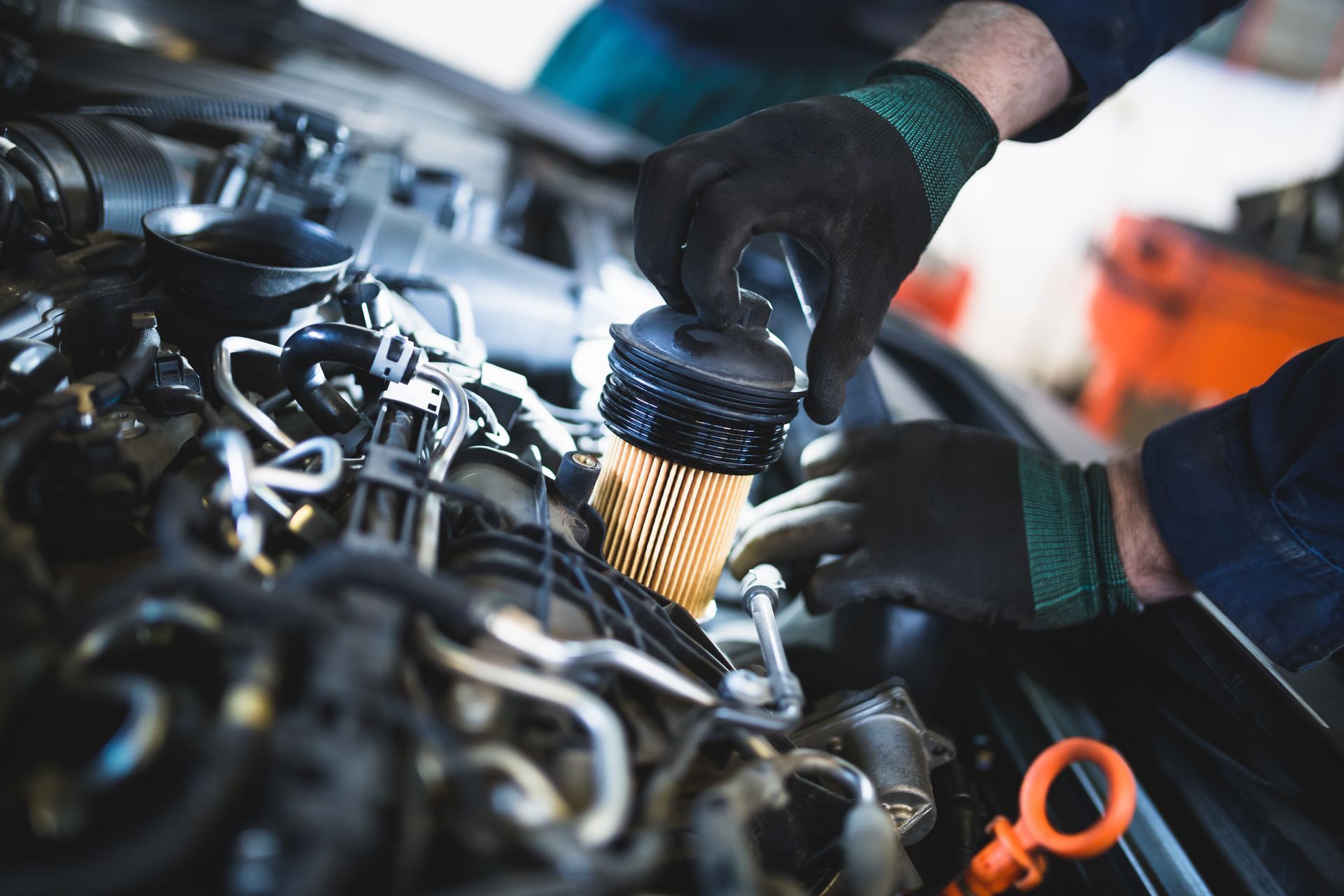

As the chilly winter months approach, you must ensure that your beloved Audi is protected from the damaging effects of rust . Rust is a common problem that occurs when metal components come into contact with moisture and oxygen. While your car’s exterior may be more prone to visible rust, it’s important to remember that rust can also affect crucial engine parts and other components, compromising their functionality and longevity.
Rust occurs due to a chemical process known as oxidation , which happens when iron or steel reacts with oxygen in the presence of moisture. The combination of salt, slush, and moisture on the roads during winter can accelerate this process. Additionally, road salt used to melt ice and snow can exacerbate the problem, as it increases the corrosive properties of moisture. Rust not only affects the aesthetic appeal of your Audi but also weakens the structure of various parts, leading to potential safety concerns and expensive repairs.
How Does Winter Cause Rust In Audi
- Moisture: Winter often brings precipitation in the form of rain, snow, and sleet. When moisture comes into contact with metal surfaces, it can initiate the rusting process. Water acts as a catalyst, allowing oxygen in the air to react with iron or steel, leading to oxidation and the formation of rust .
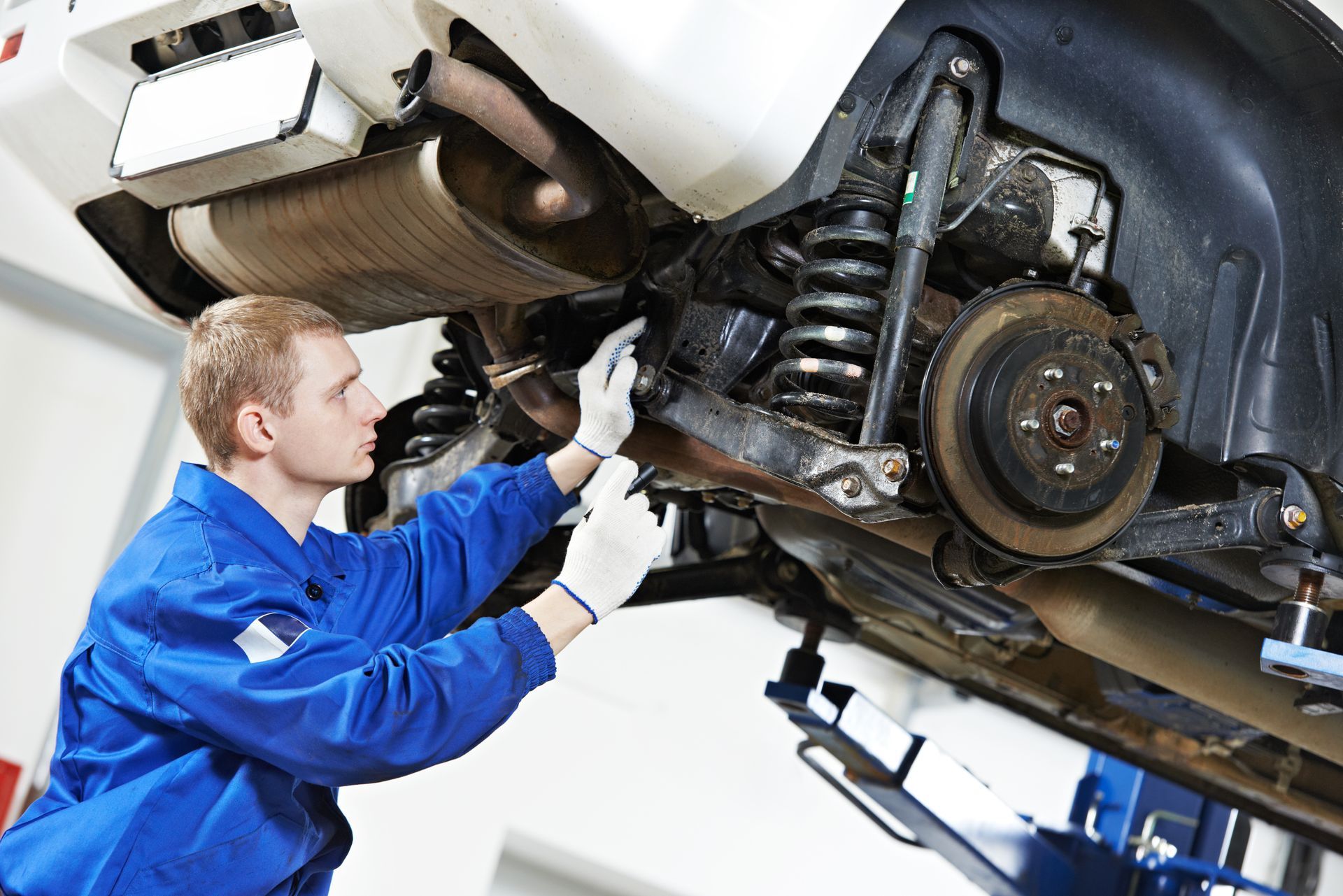
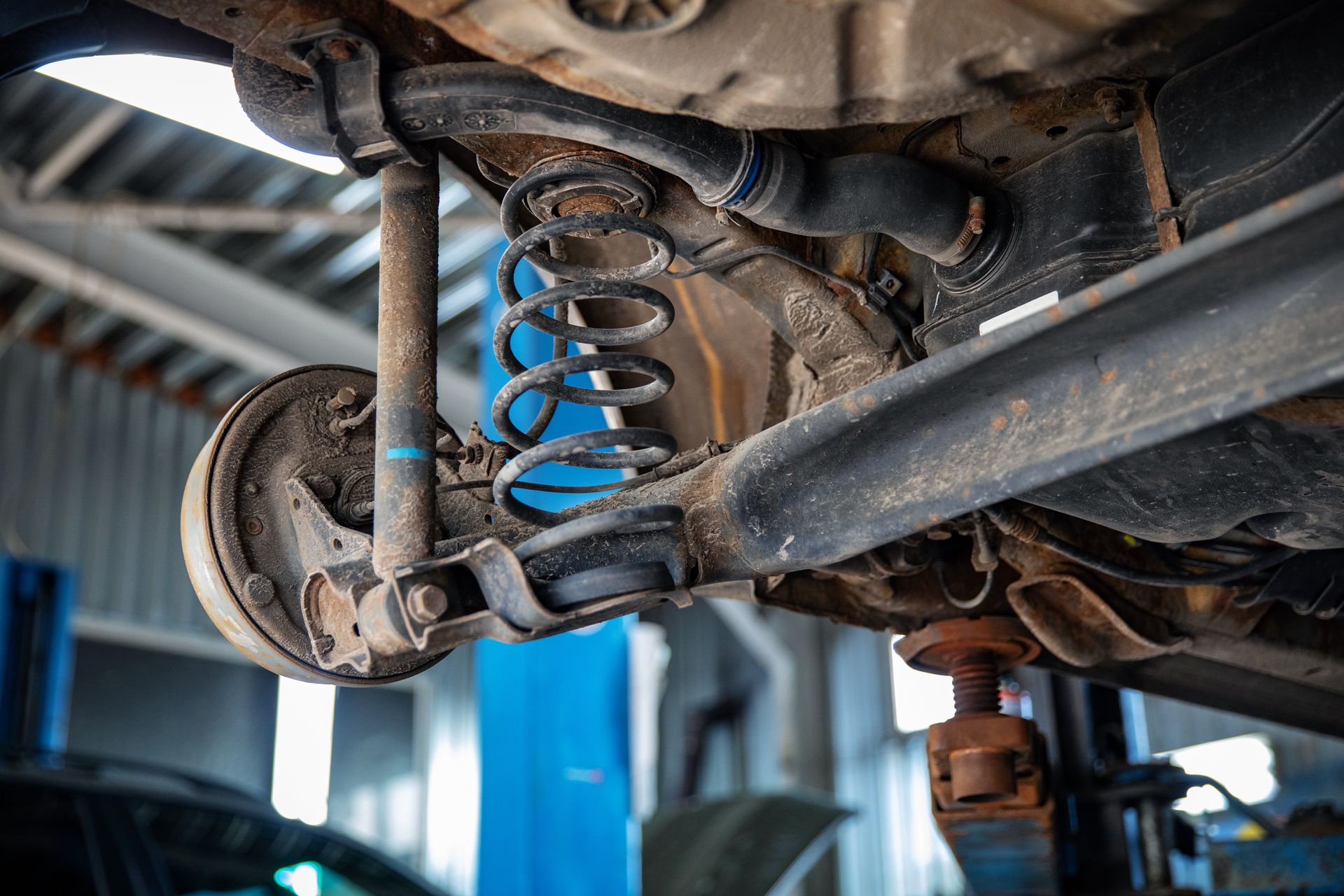
- Road Salt: To combat icy road conditions, salt is commonly used to melt snow and ice. While effective for safer driving, road salt is highly corrosive to metal. As vehicles travel over salted roads, the salt splashes onto the car’s undercarriage , wheel wells , and body panels , increasing the chances of rust formation.
- Slush and Road Debris: The combination of melted snow, ice, and dirt creates slush, which accumulates in various areas of your Audi, including the undercarriage. Slush contains moisture and potentially corrosive substances, such as salt, oil, and other debris. If not regularly cleaned, slush can accelerate rust development.
- Temperature Fluctuations: Winter brings frequent temperature changes, especially in regions where freezing and thawing cycles occur. When moisture on metal surfaces freezes, it expands and can create
cracks or weak spots. As the temperature rises and the ice thaws, water seeps into these cracks, promoting rust formation.
Tips to Protect Your Audi from Rust During Winter
- Regular Washing: Wash your Audi frequently during winter to remove salt, slush, and other corrosive substances that accumulate on the exterior. Pay extra attention to the undercarriage, wheel wells, and other vulnerable areas. Use a high-pressure hose or car wash to ensure thorough cleaning.
- Waxing: Apply a protective wax coating to your Audi’s exterior. Wax creates a barrier that shields the paintwork from moisture and salt, reducing the risk of rust formation. Choose a high-quality automotive wax that matches your car model.
- Rustproofing Treatment: Consider applying a rust-proofing treatment to your Audi, particularly to vulnerable areas such as the wheel wells and exposed metal surfaces. Rustproofing treatments create a protective barrier that inhibits rust formation. Consult with a professional to ensure the appropriate treatment for your vehicle.
- Protecting Scratches and Chips: Treat any scratches or paint chips promptly, as they can serve as entry points for moisture and accelerate rusting. Apply touch-up paint or consult a professional. Quick action can prevent rust from spreading and damaging the affected area.
- Garage Parking: Whenever possible, park your Audi in a garage or covered area during winter. This protects it from direct exposure to moisture, snow, and ice. If a garage is not available, consider using a weather-resistant car cover to shield it from the elements.
- Regular Maintenance: Stick to the recommended maintenance schedule for your Audi. Routine check-ups and servicing will help identify and address any rust-related issues before they become major problems. Regular inspections allow professionals to detect early signs of rust and provide necessary treatments or repairs.
Trust Professional Automotive for Your Audi Rust Prevention Care
Protecting your Audi from rust during the winter months is crucial to maintain its performance, appearance, and longevity. At
Professional Automotive, we understand the importance of comprehensive car care, particularly when it comes to preventing rust. Our
team of skilled professionals is dedicated to helping Audi drivers in
Marlborough, MA, and beyond with their automotive needs. With our expertise and attention to detail, you can be sure your vehicle will get the best care.
Contact us today to schedule an appointment and let our experienced team provide the care your Audi deserves.