
Suspension problems can sneak up on a driver because the car may still steer, stop, and get through the day. The ride just feels a little harsher. A clunk shows up over bumps. One tire starts wearing faster than the others, but the car still feels safe enough to keep driving.
That is where many suspension repairs get delayed. The symptoms do not always scream for attention at first. They build through noise, tire wear, steering changes, and extra movement, which slowly become the new normal.
Clunks Over Bumps
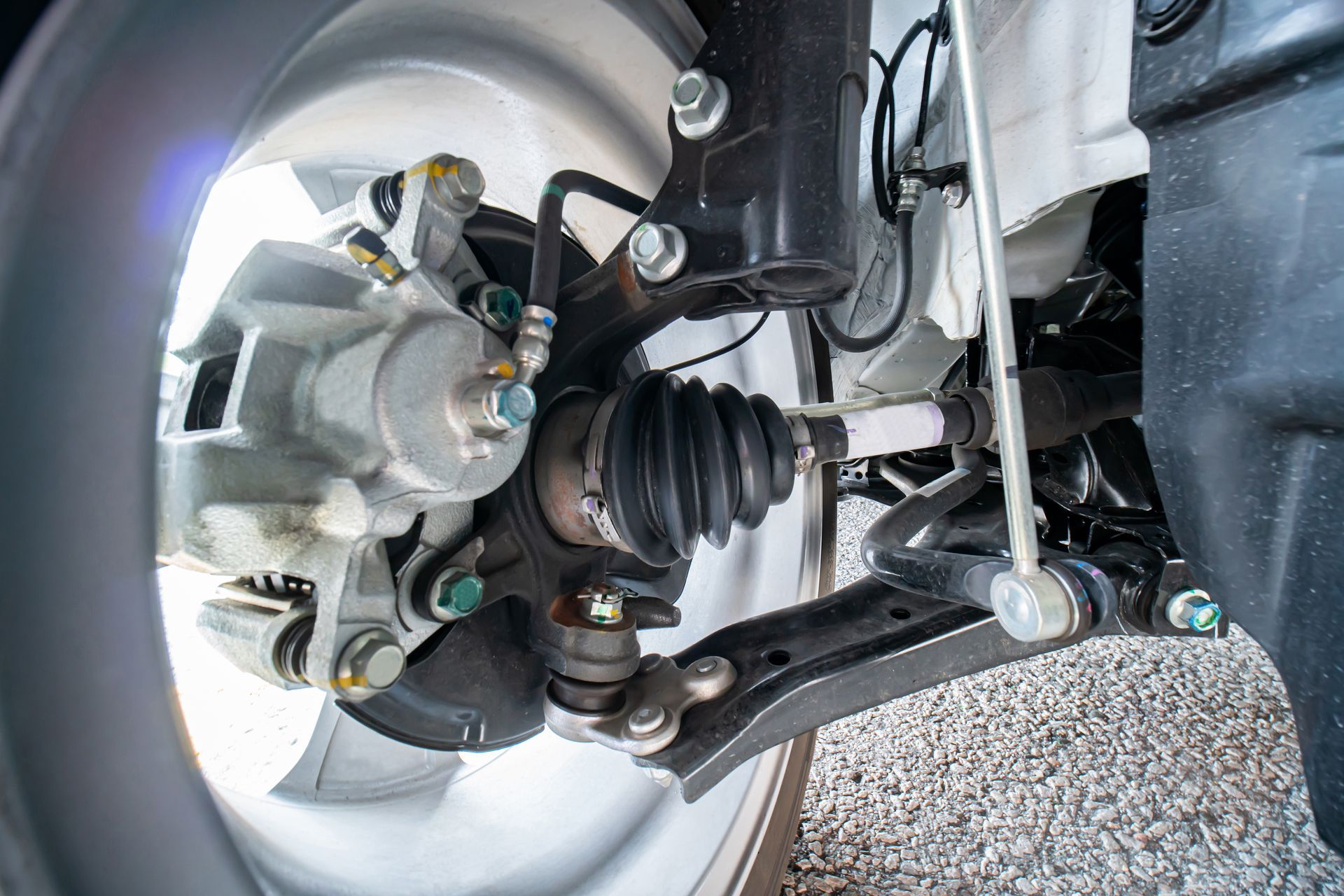
A clunk over bumps is one of the clearest signs that something in the suspension or steering system has loosened or worn out. Common causes include worn control arm bushings, sway bar links, ball joints, strut mounts, or shocks. The sound may be more noticeable on rough roads, driveway entrances, or when one wheel hits a bump before the other.
The location of the noise helps narrow it down. A front-end clunk can point toward control arms, struts, or steering parts. A rear clunk may come from shocks, mounts, trailing arms, or worn bushings. Either way, clunking is not background noise. It means a part that is supposed to control movement is no longer doing its job correctly.
Extra Bouncing After A Bump
A healthy suspension should allow the vehicle to settle quickly after it hits a bump. If the car keeps bouncing, floating, or rocking after the road smooths out, the shocks or struts may be weak. That extra motion affects more than comfort. It changes how well the tires stay planted on the pavement.
Weak dampers can make the car feel less stable during braking, cornering, or highway driving. You may notice the front end dipping more than before when stopping, or the body leaning harder through turns. Once the suspension cannot control vehicle movement well, the tires and brakes have to work under less steady conditions.
Uneven Tire Wear
Tire wear is one of the best clues a suspension problem leaves behind. A tire that wears badly on one edge, develops cupping, or looks rough in patches is telling you it's not meeting the road evenly. Alignment can cause this, but suspension wear is often part of the reason the alignment will not stay where it belongs.
Worn ball joints, loose tie rods, weak shocks, or tired bushings can all let the wheel move in ways it should not. That movement scrubs the tire as you drive. By the time the tread pattern looks obvious, the tire may already be too damaged to recover. Regular maintenance helps catch tire wear early, protecting the rest of the set.
Steering Feels Loose Or Pulls
Suspension and steering systems work closely together, so a change in steering feel should not be ignored. If the wheel feels loose, the car wanders, or you constantly correct the steering to stay straight, something is no longer holding the vehicle steady. The cause may be alignment, steering linkage wear, suspension looseness, or tire condition.
A pull can be tricky because drivers often blame the road or tire pressure first. Those are fair places to check, but if the pull keeps coming back, the front end needs a closer look. A loose steering or suspension part can affect control, making the vehicle less predictable during quick maneuvers.
The Ride Feels Rougher Than It Used To
A rougher ride is easy to dismiss because it happens gradually. You may not notice it until passengers mention it or until the car starts feeling unsettled on roads it used to handle better. Worn shocks, struts, bushings, and mounts can all make the vehicle feel harsher, louder, and less controlled.
A suspension system is supposed to absorb road impact and keep the body controlled. Once parts wear out, more vibration and shock travel into the cabin. The car can feel older than it really is, and other parts begin taking extra stress. That is why a change in ride quality warrants an inspection rather than being written off as normal aging.
Why Suspension Wear Spreads To Other Parts
Suspension problems rarely stay limited to one part for long. A weak shock can cause uneven tire wear. A worn bushing can affect alignment. A loose joint can make braking and steering feel less stable. Over time, the vehicle starts wearing through its tires faster and putting more strain on nearby components.
The key is paying attention before the repair list grows. A clunk, a bounce, or tire wear patterns give you a warning that something is changing underneath the car. Finding the cause early keeps the repair more focused and helps the vehicle feel controlled again.
Get Auto Suspension Repair In Marlborough, MA, With Professional Automotive
If your car is clunking, bouncing, pulling, or wearing tires unevenly, Professional Automotive in Marlborough, MA, can inspect the suspension and steering system to find the source of the problem.
Bring it in before one worn part starts costing you tires, alignment, stability, and ride control.