
A Mercedes-Benz can feel refined and controlled even when something underneath is starting to wear. That is one reason owners sometimes give small symptoms too much time. The car still drives well enough, the cabin still feels quiet, and the first warning can seem easy to live with.
That delay can turn a focused repair into a longer list. Mercedes-Benz vehicles are built with advanced systems, tight tolerances, and connected components that do not respond well to neglect. When the car starts making noise, leaking fluid, shifting differently, or showing dashboard warning lights, it is better to take the clues seriously.
1. Oil Leaks
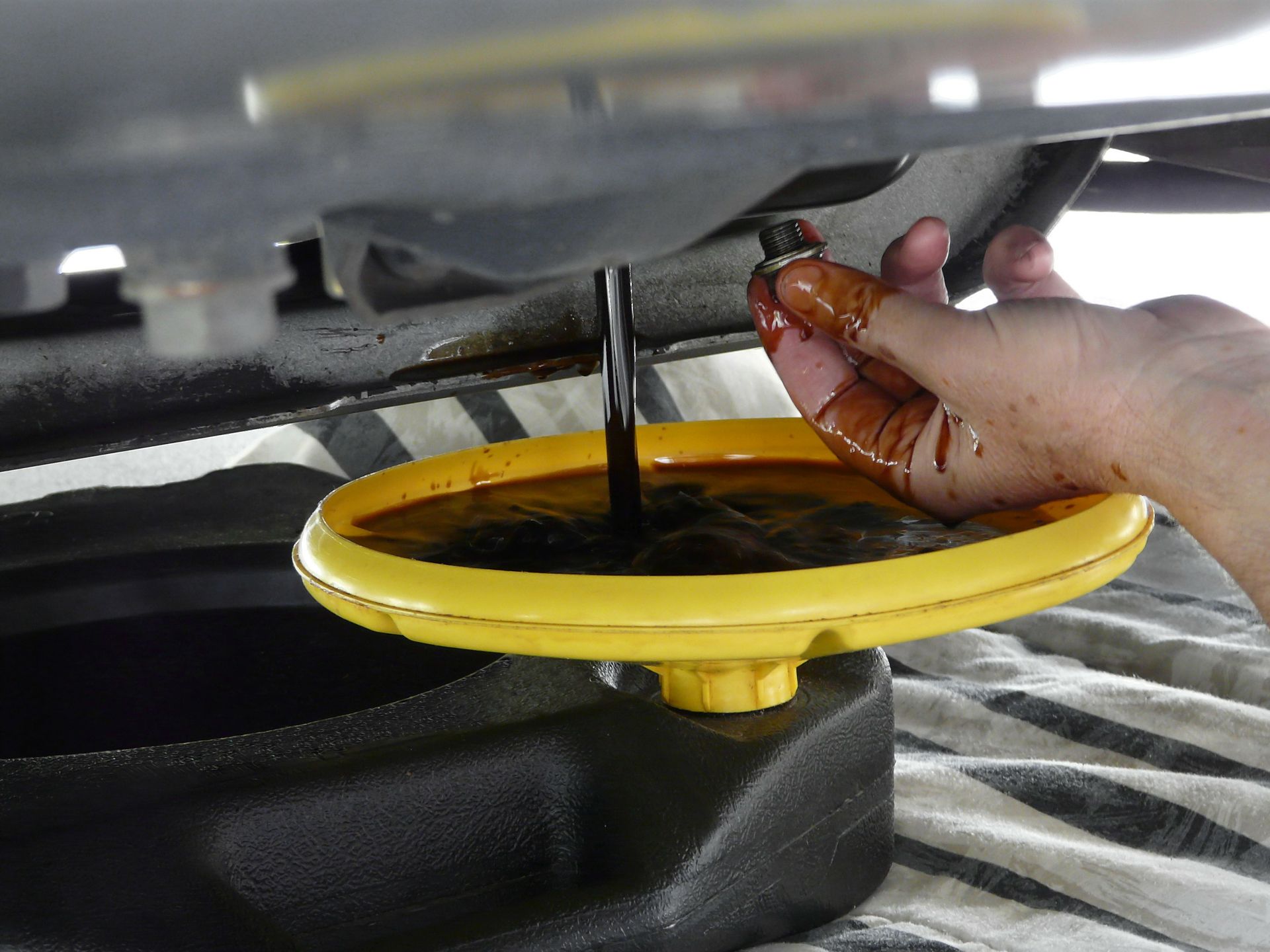
Oil leaks are common on many Mercedes-Benz models with high mileage. Valve cover gaskets, oil filter housings, seals, and related components can start seeping as they age. Some leaks leave spots on the ground. Others show up first as a burning smell after a drive.
A small leak should not be ignored just because the oil level looks close enough today. Oil can spread onto belts, hoses, mounts, wiring, and hot exhaust parts. Once that happens, the repair can reach beyond the original gasket or seal.
2. Coolant Leaks
Cooling system problems deserve quick attention on any Mercedes-Benz. Hoses, expansion tanks, radiators, thermostat housings, water pumps, and fittings all handle heat and pressure whenever the engine runs. When one part starts leaking, the coolant level can drop before the driver notices the engine getting hot.
A sweet smell, a low coolant message, crusty residue, or a temperature gauge that climbs higher than normal all point toward a system that needs an inspection. Adding coolant might get you through the day, but it does not fix the leak. Overheating can lead to head gasket damage, warped parts, and repairs that are far more serious than the cooling issue that started it.
3. Air Suspension Problems
Many Mercedes-Benz models use air suspension to deliver the ride quality drivers expect. When it works correctly, the car feels stable and controlled. When it starts failing, you might notice one corner sitting lower, the car sagging overnight, compressor noise, or a warning message.
Air struts, lines, valve blocks, and compressors all need to work together. If a leaking air spring forces the compressor to run too long, the compressor can wear out. Repairing the first failed part early can help avoid turning one suspension fault into several.
4. Brake Wear And Vibration
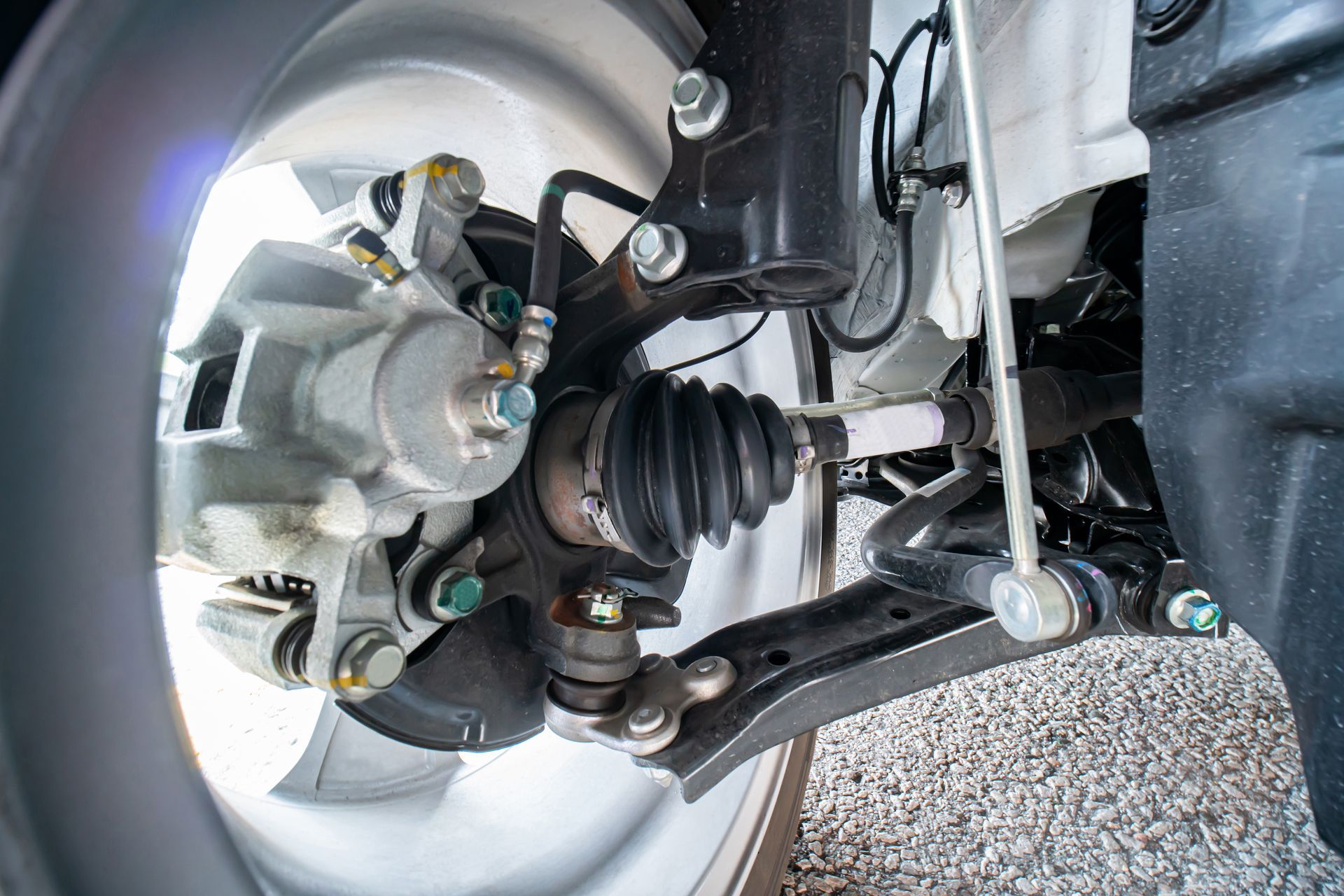
Mercedes-Benz brake systems are designed for strong stopping performance, but pads, rotors, sensors, and calipers still wear. Squealing, grinding, vibration while braking, or a brake warning message should be handled quickly. Waiting too long can damage rotors, hardware, or nearby parts.
Brake vibration is also worth checking because it can point to uneven rotor wear, a stuck caliper, or front-end wear that shows up when the weight shifts forward. A proper brake check should assess the entire system, not just pad thickness.
5. Electrical Faults And Warning Lights
Modern Mercedes-Benz vehicles rely heavily on modules, sensors, batteries, charging systems, and communication via wiring. A weak battery or poor connection can create warning lights that seem unrelated. One day, it is a stability message, the next, a lighting fault, or a comfort feature that stops working.
Electrical problems can be frustrating because they come and go. That does not make them harmless. Low voltage, failing sensors, corroded connections, or module communication faults can cause confusing symptoms, so testing is preferable to replacing parts based on the first warning that appears.
6. Engine Misfires And Rough Running
A Mercedes-Benz engine should feel clean and steady. If it starts shaking at idle, hesitating under acceleration, or triggering a check engine light, the cause needs to be found before the problem spreads. Spark plugs, ignition coils, fuel injectors, vacuum leaks, and air intake issues are common places to start.
Misfires are especially important because they can damage catalytic converters if ignored. The car might still be able to drive, but the engine is no longer burning fuel correctly. Regular maintenance helps reduce this risk by keeping ignition and fuel-related service from getting too far behind.
7. Transmission Shifting Problems
Mercedes-Benz transmissions should shift cleanly and predictably. If the car starts slipping, hesitating, or bumping into gear when you shift from Park to Drive, the issue deserves attention. Low fluid, old fluid, software concerns, valve body issues, mounts, or internal wear can all change how the transmission feels.
Small shifting changes are easy to excuse at first. The trouble is that transmission problems rarely become cheaper with extra miles. A diagnostic check can determine whether the issue is service-related, electrical, hydraulic, or mechanical before the symptoms worsen.
Get Mercedes-Benz Repair In Marlborough, MA, With Professional Automotive
If your Mercedes-Benz is leaking, shifting differently, showing warning lights, riding unevenly, or running rough, Professional Automotive in Marlborough, MA, can help find the cause and make the right repair.
For Mercedes-Benz repair, contact us to schedule an appointment.