
Volkswagen vehicles can feel solid for many miles when they are cared for on time. The trouble is that they can also hide early problems well. The engine still pulls fine, the cabin still feels tight, and the car may not give you a clear warning until a small service need has already started affecting other parts.
That is why preventive maintenance becomes increasingly important as mileage increases. A VW does not need to be falling apart before it deserves attention. It needs the right checks at the right time, especially once wear items, fluids, sensors, and rubber parts have been through years of heat, pressure, and daily use.
Watch The Oil Service Closely
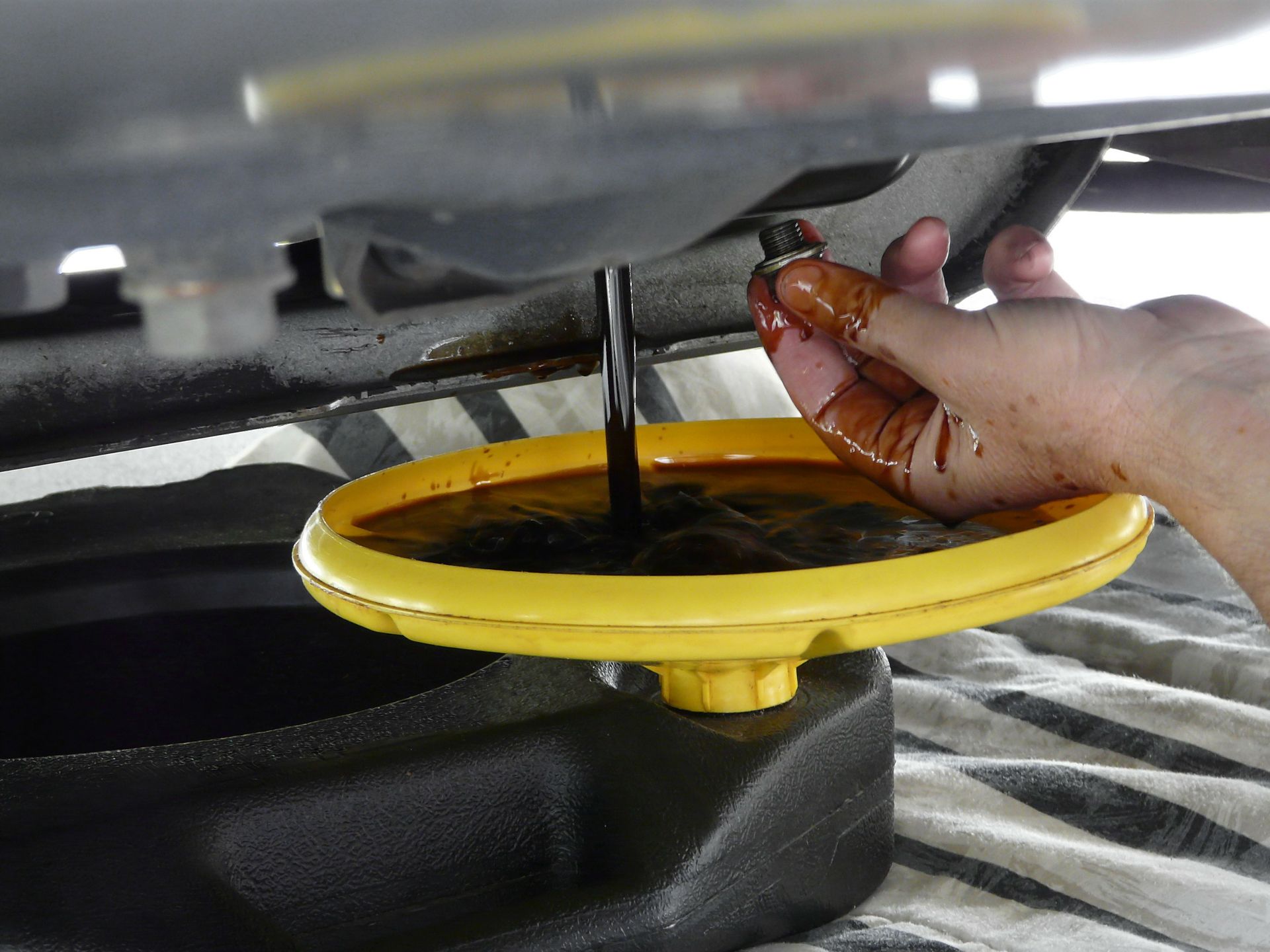
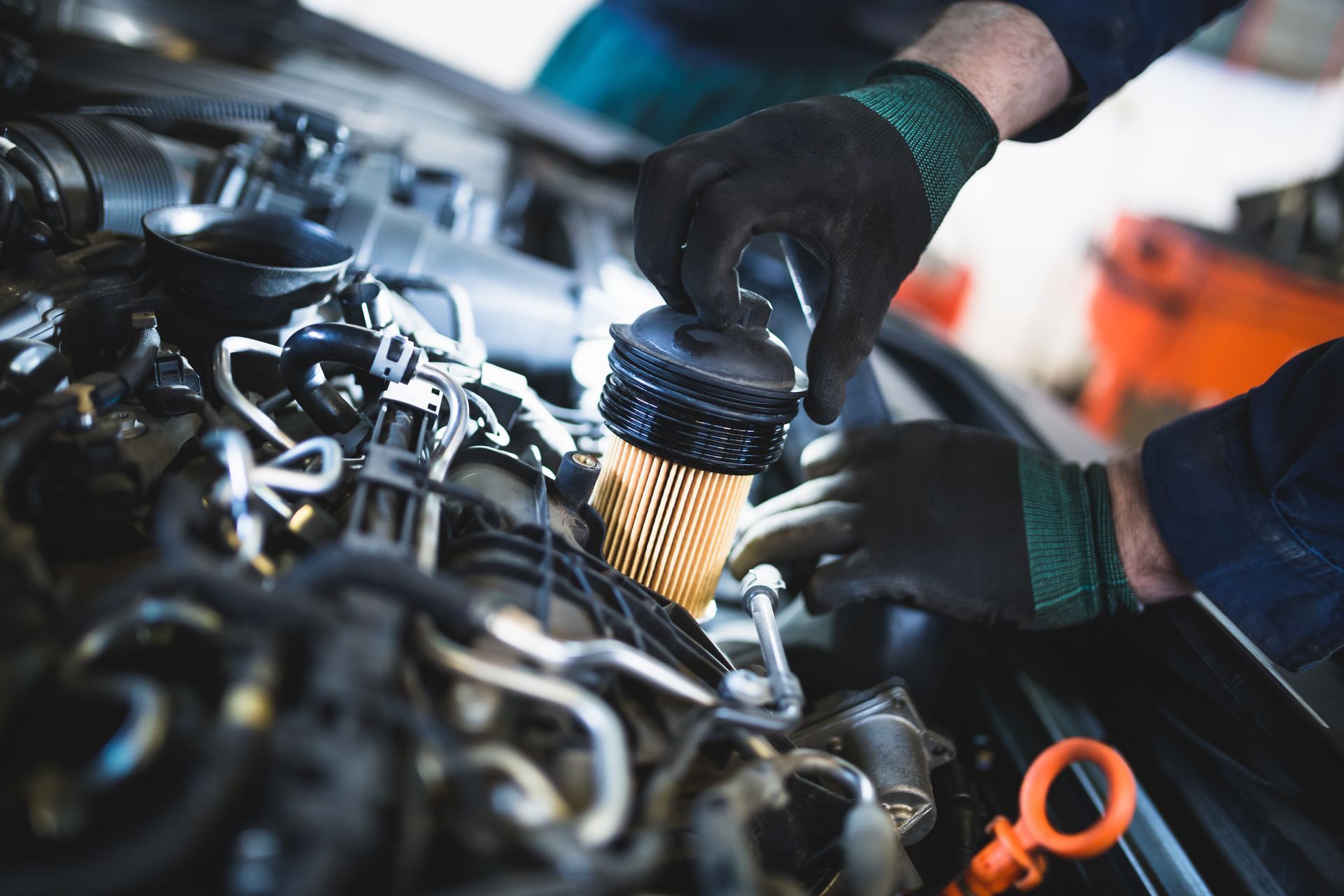
Oil service is one of the most important reliability factors for a Volkswagen. Many VW engines use tighter tolerances, turbochargers, timing components, and oil-controlled systems that depend on clean oil moving at the right pressure. Stretching oil changes too far can lead to sludge, timing wear, turbo issues, and rougher performance over time.
The correct oil specification is just as important as the interval. Volkswagens are not the place for whatever oil is close enough on the shelf. Using the right oil and filter helps protect the engine the way it was designed to be protected, especially as mileage rises and internal wear becomes less forgiving.
Do Not Ignore Cooling System Wear
VW cooling systems need attention before they start causing overheating. Water pumps, thermostat housings, hoses, coolant flanges, and plastic fittings can all age from heat cycles. Some leaks start small, with a faint coolant smell, a low reservoir, or dried residue near a connection.
Adding coolant repeatedly is not a repair. If the level keeps dropping, the system needs an inspection to find out where the coolant is going. Once a Volkswagen overheats, the repair can become much more serious than a hose, pump, or housing replacement. Cooling system checks should be part of regular maintenance, not something reserved for when the temperature warning comes on.
Pay Attention To Ignition And Fuel Symptoms
Spark plugs and ignition coils are common maintenance items on many VW models. When they start wearing out, the engine may hesitate, idle unevenly, lose some power, or trigger a check engine light. A misfire that gets ignored can damage other parts, including the catalytic converter.
Fuel delivery and carbon buildup can also affect how the engine feels as mileage climbs. Direct injection engines can develop intake valve deposits because fuel does not wash over the valves as it did on older engines. The symptoms can be subtle at first, like weaker acceleration, lower fuel economy, or a rougher idle at stoplights.
Small Leaks Deserve Faster Attention
Volkswagens can develop oil, coolant, and vacuum leaks as gaskets, seals, hoses, and plastic parts age. Early leaks do not always leave a puddle. Some create smells, residue, or small changes in performance before they become obvious.
A small oil leak can spread onto belts, mounts, hoses, or hot exhaust parts. A vacuum leak can affect fuel trim and drivability. A coolant leak can leave the system short on protection when the engine needs it most. Finding these early keeps the repair more focused and helps prevent nearby parts from being pulled into the problem.
Suspension And Brake Wear Change The Way The Car Feels
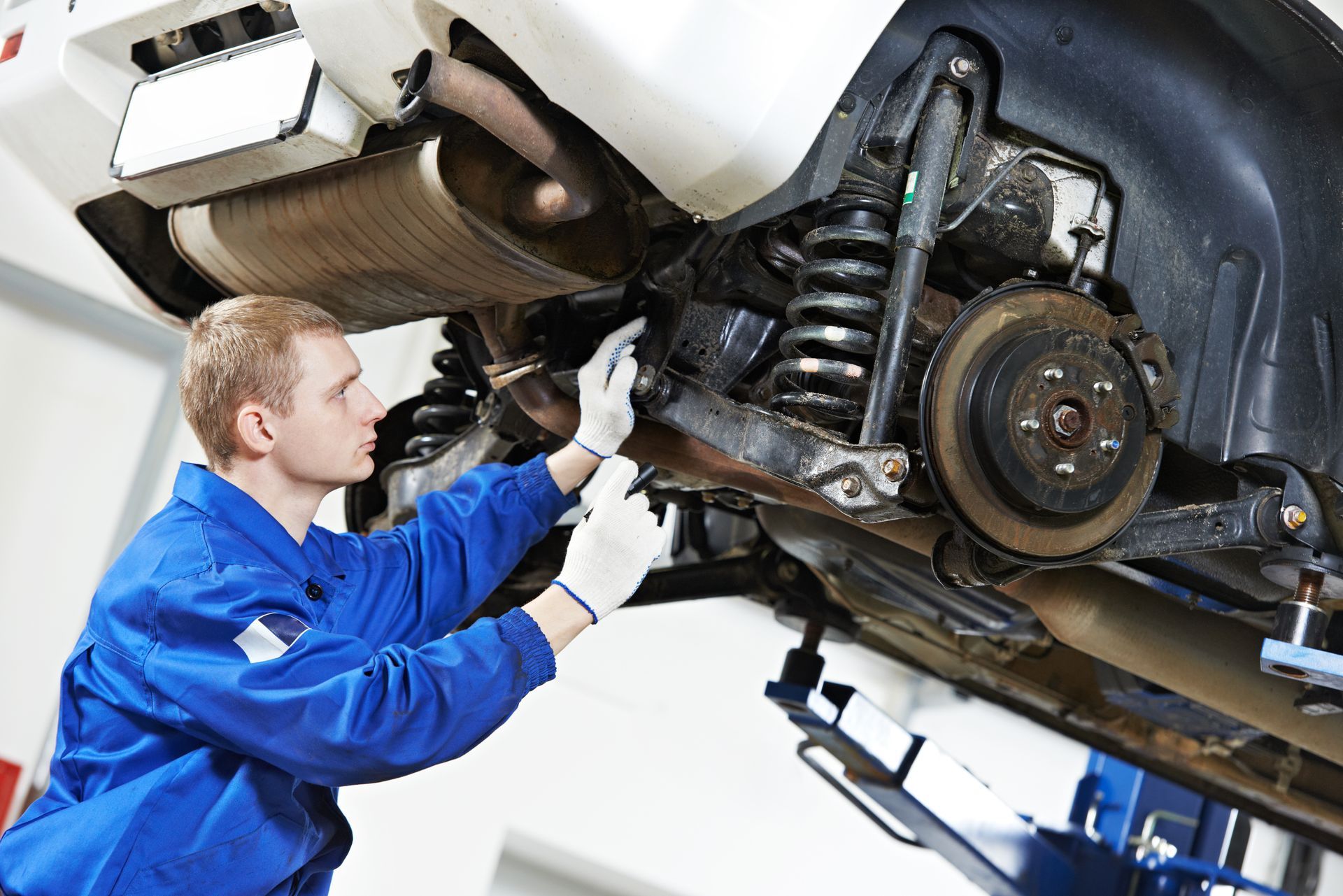
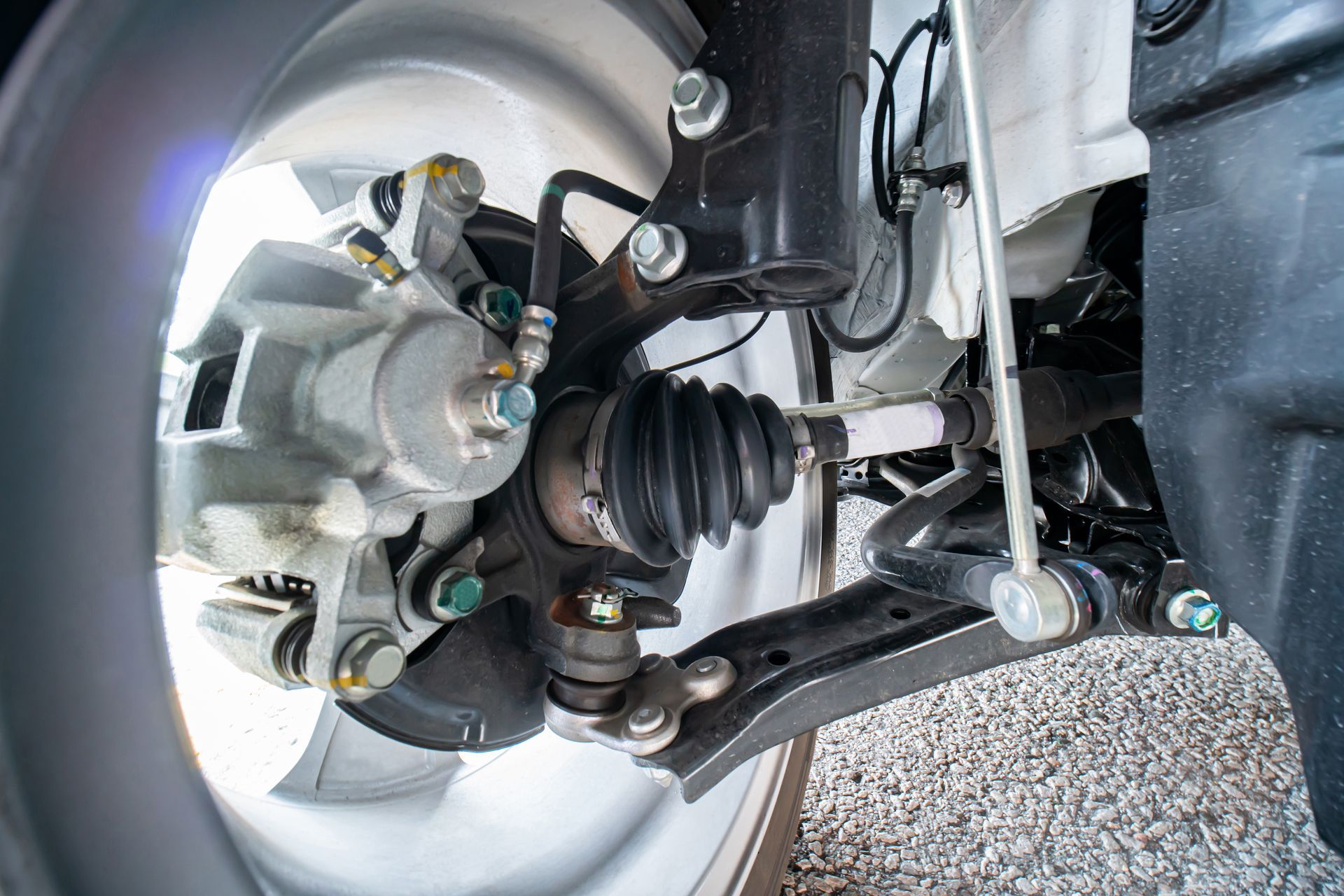
A Volkswagen should feel controlled, stable, and confident on the road. If the ride gets harsher, the steering feels loose, or the front end starts clunking over bumps, the suspension needs attention. Control arm bushings, struts, sway bar links, mounts, and ball joints can all wear as the miles climb.
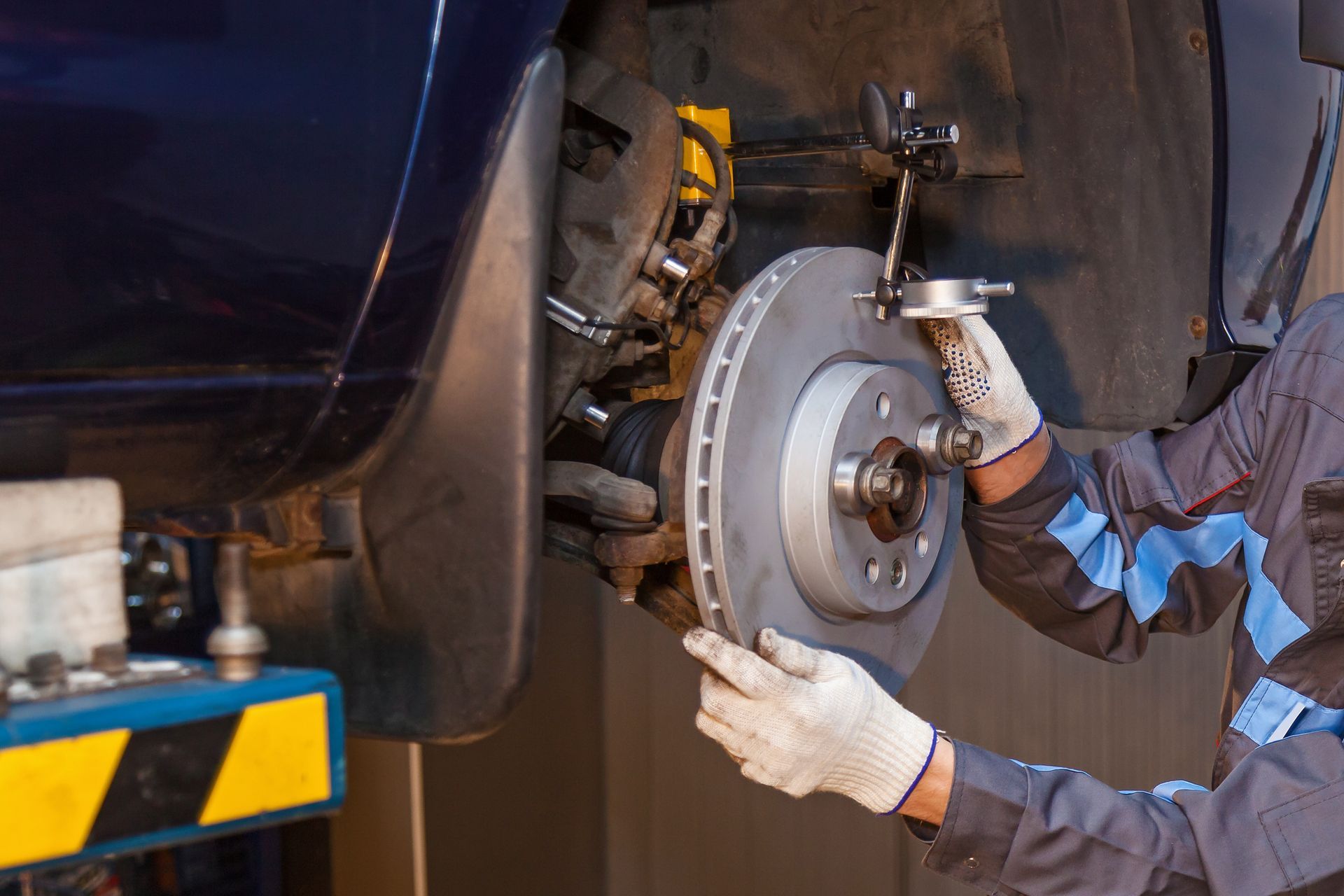
Brake wear should be handled the same way. Squeaks, vibration, longer stopping distance, or a pedal that feels different are signs that the system needs to be checked. Tires also tell part of the story. Uneven tire wear can point toward suspension looseness, alignment issues, or worn steering parts that should not be left alone.
Use Mileage As A Planning Tool
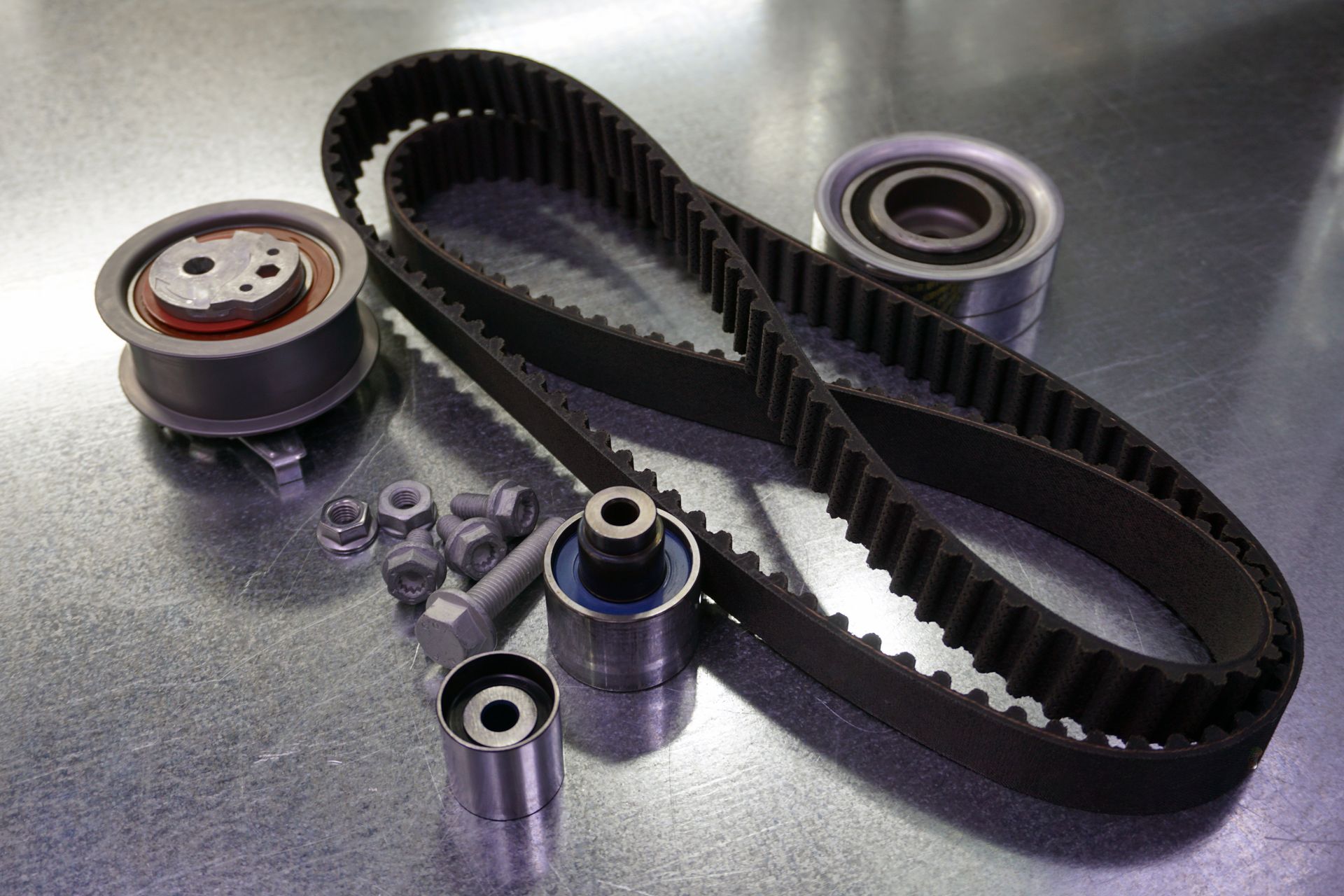
The best Volkswagen maintenance plan looks ahead instead of waiting for the car to complain. Mileage helps you plan spark plugs, filters, brake fluid, coolant service, transmission service, belt checks, and other wear-related items. Service history is just as important. If you bought the car used and do not know what has been done, treat the unknown items carefully.
A higher-mileage VW can still be a dependable daily driver, but it needs to be consistent. Skipping maintenance because the car still feels fine is how owners lose the advantage of catching problems early. The car is giving you time. Good service habits make that time useful.
Get Volkswagen Preventive Maintenance In Marlborough, MA, With Professional Automotive
If your Volkswagen is gaining mileage and you want to stay ahead of leaks, misfires, fluid wear, cooling problems, and suspension issues, Professional Automotive in Marlborough, MA, can help keep your service plan on track.
For Volkswagen preventive maintenance in Marlborough, contact us to schedule an appointment.