
Volvo has built its reputation on safety for decades, and that did not happen by accident. The company made safety a core part of its engineering long before many drivers paid close attention to crash protection, restraint systems, or structural design. Over time, those choices helped shape what people came to expect from modern vehicles.
For Volvo owners, that history is more than a brand story. It explains why these vehicles feel different, why their systems need proper care, and why regular maintenance should protect more than engine performance. A Volvo is designed around control, protection, and smart response when road conditions change fast.
Volvo Helped Make Safety A Selling Point
There was a time when car buyers mostly talked about power, styling, comfort, and price. Safety was part of the conversation, but it was not always at the forefront. Volvo pushed that conversation forward by treating crash protection as a major engineering goal instead of an extra feature.
The three-point seat belt is one of the best-known examples. Volvo helped bring that design into everyday driving, and it later became one of the most important safety features in automotive history. That kind of thinking helped change how carmakers, regulators, and drivers looked at occupant protection.
Crash Protection Became Part Of Vehicle Design
Volvo safety engineering has long focused on how a vehicle handles impact. That means more than adding airbags or stronger materials. The structure must manage crash energy, protect the passenger compartment, and reduce the forces on occupants.
Crumple zones, reinforced cabin areas, side-impact protection, and carefully placed safety systems all work together. A vehicle cannot adequately protect its occupants if these parts are treated separately. Volvo helped show the industry that safety starts with the full structure, not just one feature added later.
Why Seat Belts, Airbags, And Sensors Work Together
Modern safety systems depend on timing. Seat belts, pretensioners, airbags, crash sensors, and control modules all have to communicate and respond in fractions of a second. If one part is damaged, ignored, or not repaired correctly after a collision, the system may not protect the way it was designed to.
That is why warning lights related to airbags or restraint systems should not be brushed aside. A safety warning on the dashboard is not there for decoration. It means the vehicle has detected a fault in a system that needs to be ready before you ever need it.
Volvo Changed Expectations For Everyday Driving
Safety is not only about crashes. Volvo also helped push the idea that a car should help the driver avoid trouble before impact happens. Stability control, anti-lock brakes, traction systems, lane support, blind spot monitoring, collision warnings, and automatic braking all follow that same direction.
These systems are now common across many brands, but the mindset that underpins them took years to develop. The goal is simple: help the driver keep control, react sooner, and reduce the chance of a serious crash. That is one reason Volvo safety engineering has had such a strong influence on the rest of the automotive industry.
Advanced Safety Needs Proper Service
A newer Volvo uses cameras, radar sensors, control modules, steering inputs, brake data, and wheel-speed readings to support driver-assist systems. These parts need to be working correctly for the safety features to do their job. Even something that seems unrelated, like a weak battery or alignment issue, can affect how certain systems behave.
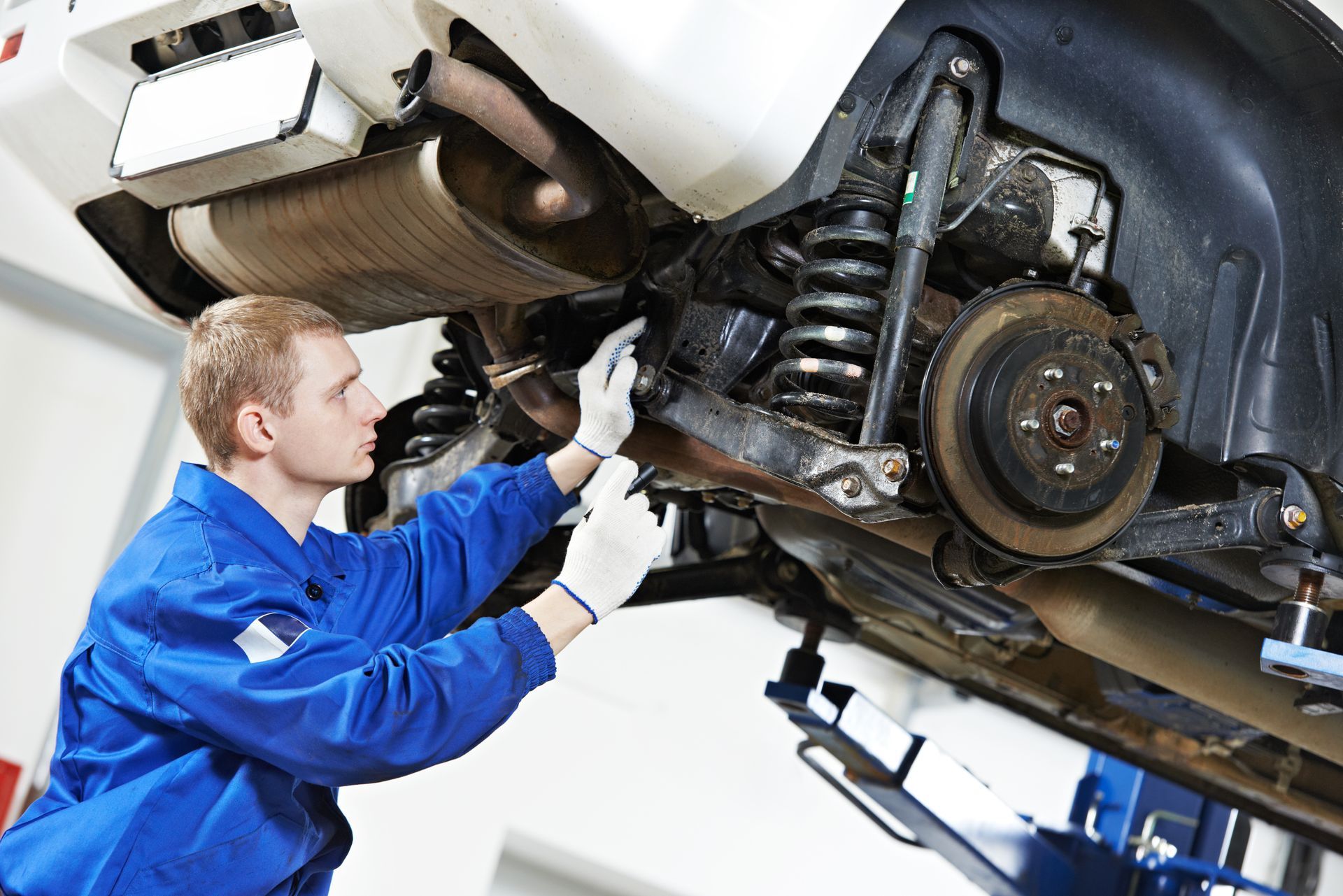
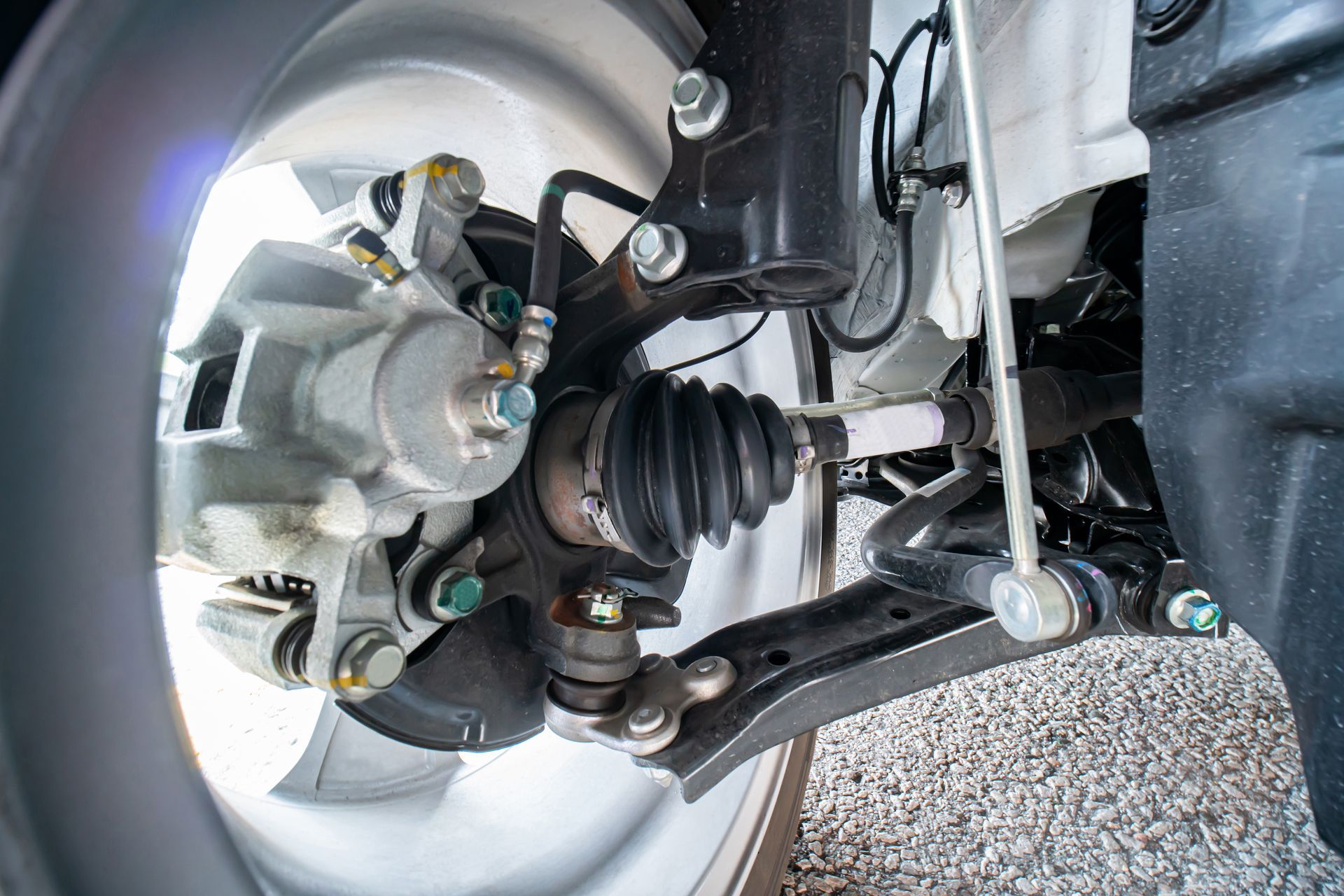
Tire condition also plays a part. Safety technology cannot overcome worn tires, weak brakes, or suspension parts that no longer hold the vehicle steady. During an inspection, these basic mechanical components deserve the same attention as the electronic systems, as they all affect how the car responds.
Repairs Should Respect The Way The Car Was Built
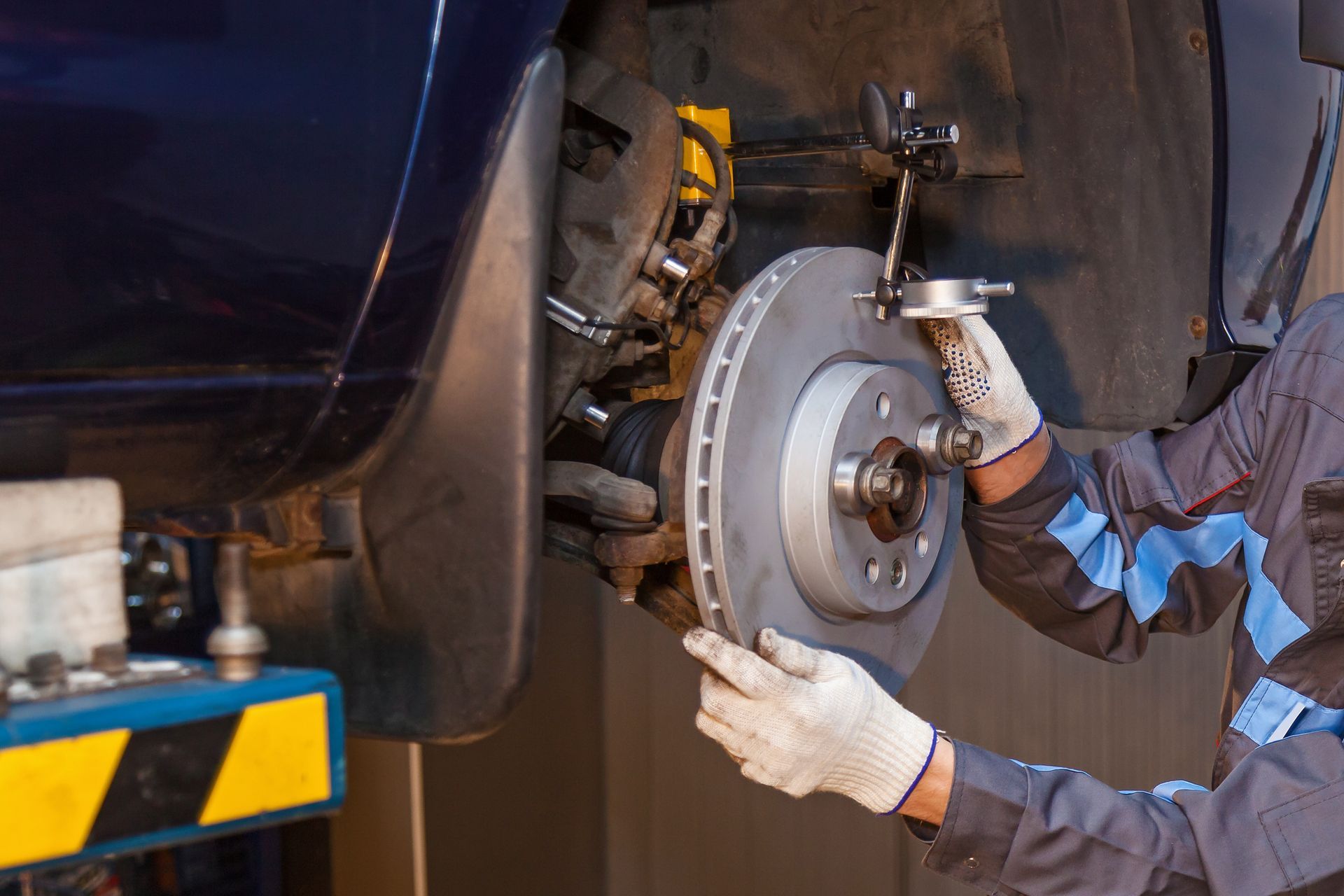
Volvo vehicles are engineered with a clear safety plan, so repairs should not be handled casually. Suspension work, brake service, tire replacement, electrical diagnosis, and post-collision repairs all need to keep that design in mind. The right part, the right procedure, and the right calibration can make a real difference.
That is especially true on vehicles with advanced driver-assist features. If a camera, radar unit, steering angle sensor, or related system is disturbed during repair, it may need proper setup afterward. Skipping that step can leave the car looking fixed while the safety system is not fully prepared.
Get Volvo Service In Marlborough, MA, With Professional Automotive
If you drive a Volvo and want it cared for with its safety engineering in mind, Professional Automotive in Marlborough, MA, can help with service, inspections, brakes, suspension, warning lights, and maintenance needs.