
Brake problems are not always obvious at first. The vehicle may still stop, the pedal may still feel usable, and the warning light may stay off. That can make it easy to keep driving while wear slowly gets worse.
The brake system gives clues when something needs attention. Some clues are sounds. Others include changes in pedal feel, vibration, stopping distance, fluid level, or how the vehicle behaves when slowing. Knowing those signs can help you schedule brake repair before a small wear item turns into a larger safety concern.
The Brake Pedal Feels Different
Your brake pedal should feel fairly consistent from one drive to the next. If it suddenly feels soft, spongy, low, hard, or uneven, the brake system should be checked. Pedal feel is one of the most important signs because it can point toward hydraulic or mechanical problems.
A soft pedal may be caused by air in the brake lines, low brake fluid, a leak, old fluid, or a master cylinder issue. A hard pedal can point toward brake booster trouble or vacuum-related issues on some vehicles. A pedal that slowly sinks while you are stopped is especially important because it can indicate pressure loss within the system.
Do not wait for the pedal to get worse. If stopping feels different, there is a reason.
You Hear Squealing, Grinding, Or Scraping
Brake noise is one of the most common reasons drivers bring their vehicles in for service. A high-pitched squeal may mean the brake pad wear indicator is touching the rotor. That sound is designed to warn you before the pads wear too far.
Grinding is more serious. It can mean the pad material is gone and the metal backing plate is contacting the rotor. At that point, the rotor can be damaged quickly. Scraping can also come from rust, debris, a bent backing plate, or uneven pad wear.
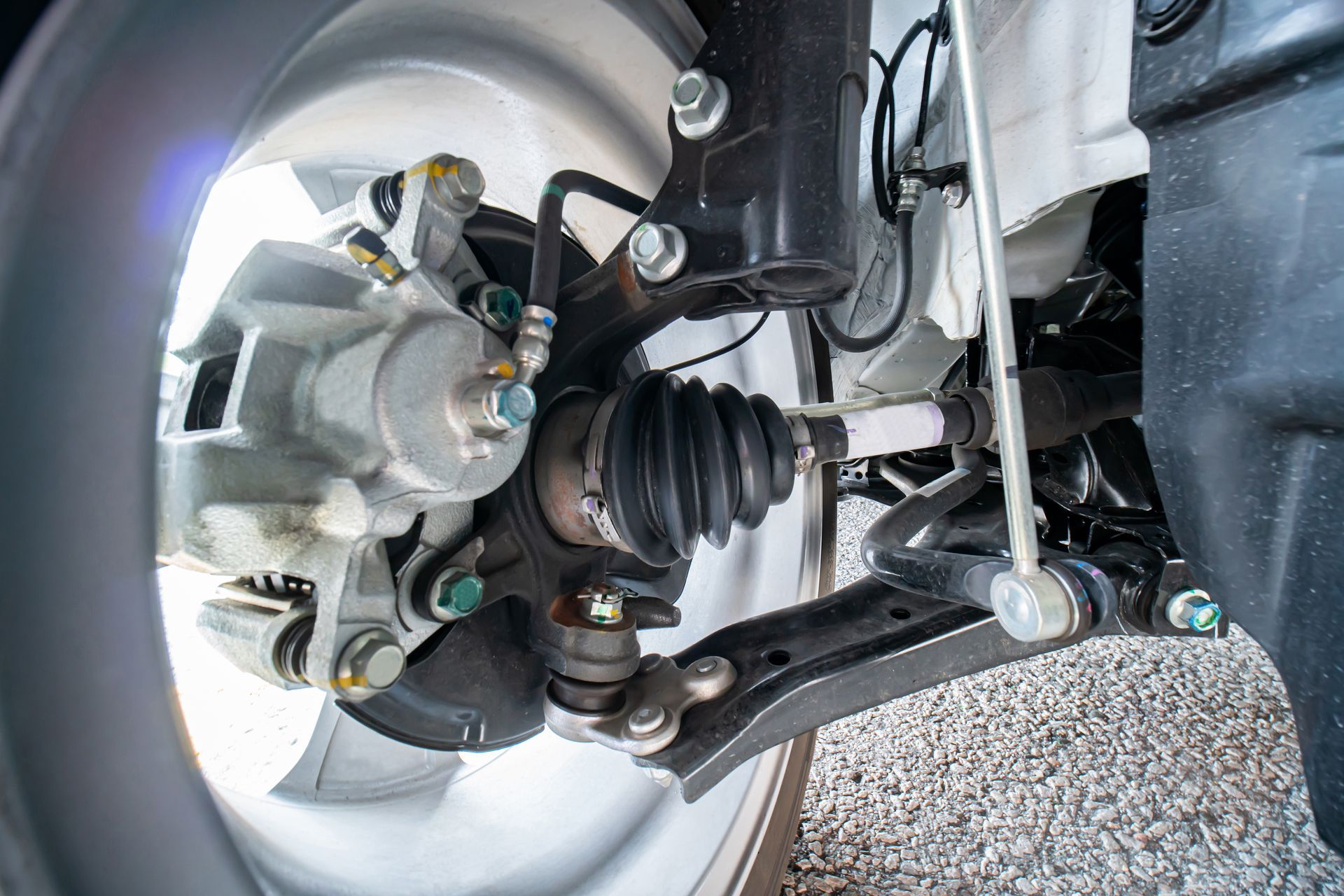
Brake noise does not always mean the same repair is needed, but it should not be ignored. The pads, rotors, calipers, hardware, and nearby parts all need to be inspected before the repair plan is made.
The Vehicle Shakes When You Brake
A shaking steering wheel, pulsing brake pedal, or vibration while slowing down can point toward rotor problems. Rotors can develop uneven surfaces, heat spots, rust buildup, or thickness variation. When the pads press against an uneven rotor surface, the driver may feel it.
Vibration can also come from tires, wheels, suspension parts, or wheel bearings, so testing matters. Information about when the vibration occurs can help. If the shaking happens mainly when braking, the brake system should be checked closely.
Ignoring brake vibration can allow uneven wear to continue. It can also make the vehicle feel less stable during stops, especially at highway speeds.
The Car Pulls To One Side When Stopping
If the vehicle pulls left or right when you brake, one side may be braking harder than the other. That can happen due to a sticking caliper, a collapsed brake hose, uneven pad wear, rotor issues, tire problems, or suspension wear.
Pulling during braking can be uncomfortable because it affects control. You may have to correct the steering wheel every time you slow down. That is not something to work around. The cause should be found before it gets worse.
A brake inspection can compare pad wear side to side, check caliper movement, look for hose restrictions, and confirm whether the pull is coming from the brakes or another system.
You Smell Burning Or Notice Heat Near A Wheel
A burning smell after driving can be a sign that one brake is dragging. A sticking caliper or restricted hose can keep the pads pressed against the rotor even after you release the pedal. That creates heat, odor, and accelerated wear.
One wheel may feel much hotter than the others. You might also notice smoke, heavy brake dust, poor fuel economy, or a vehicle that feels sluggish. A dragging brake can quickly ruin pads and rotors, and it can become a safety issue if the system overheats.
If you smell burning near a wheel, avoid touching brake parts. They can get extremely hot. Have the vehicle checked as soon as possible.
Brake Warning Lights And Low Fluid Need Attention
A brake warning light should always be taken seriously. It may be related to low brake fluid, parking brake status, hydraulic issues, ABS concerns, or sensor problems. The meaning depends on the vehicle and which light is on.
Low brake fluid should not be treated as a simple top-off without checking why it is low. The fluid level can drop gradually as pads wear, but a sudden drop may indicate a leak. Brake fluid can leak from lines, hoses, calipers, wheel cylinders, or the master cylinder.
Warning signs that should be checked include:
- Brake warning light
- ABS warning light
- Low brake fluid
- Wetness near a wheel
- Pedal sinking
- Longer stopping distance
- Burning smell
- Grinding noise
These clues can point to different problems, but all of them deserve an inspection.
Why Early Brake Repair Saves Money
Brake parts affect each other. Worn pads can damage rotors. Bad rotors can ruin new pads. A sticking caliper can overheat both. Old brake fluid can affect hydraulic parts. Loose hardware can make the brakes noisy again after service.
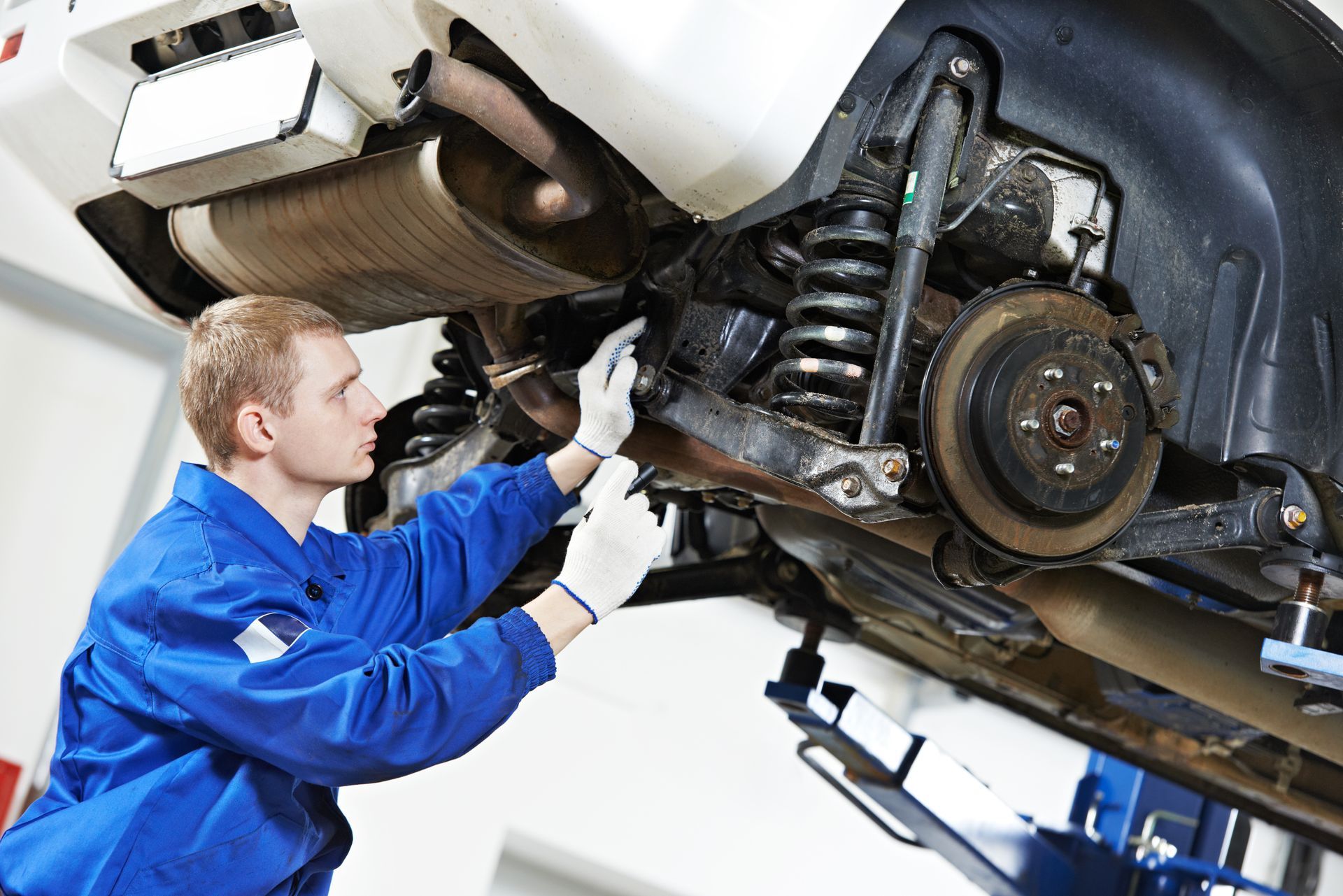
Regular maintenance helps detect brake wear before it becomes a more costly repair. A proper brake check should include pad thickness, rotor condition, caliper movement, hoses, hardware, fluid level, leaks, and pedal feel. Replacing parts without checking the full system can leave the original cause behind.
Get Brake Repair In Marlborough, MA, With Professional Automotive
If your brakes squeal, grind, shake, pull, smell hot, feel soft, or take longer to stop, Professional Automotive in Marlborough, MA, can inspect the brake system and explain what needs repair.
For brake repair before small warning signs become bigger stopping problems,
contact us to schedule an appointment.