
Cooler fall mornings tend to expose problems that were easy to miss during summer. A battery that started the engine without trouble in July can crank slower in October. Tire pressure can drop overnight, the windshield can fog more easily, and weak wiper blades suddenly become a much bigger annoyance.
A little preparation goes a long way before colder mornings become part of the daily routine. At our shop, we focus on the systems most affected by lower temperatures so drivers are not surprised by a no-start, poor visibility, or another issue on the way to work.
Check the Battery Before Cold Starts Get Harder
Batteries have to work harder as temperatures drop. Chemical reactions inside the battery slow down, while the engine takes more effort to crank when it is cold.
If the starter has already been turning a little slower, the lights dim during startup, or the battery is several years old, fall is a good time to have it tested. We also check the terminals for corrosion and make sure the connections are tight. A strong battery with a poor connection can still leave you with an unreliable start.
Watch Tire Pressure as Temperatures Drop
Tire pressure falls as the air gets colder. That means a tire that was correctly inflated during a warm afternoon can be noticeably lower after a cool night.
Low pressure affects tread wear, handling, and fuel economy. During an inspection, we set the tires to the pressure listed for the vehicle and look for one tire that keeps dropping faster than the others. A nail, leaking valve stem, or bead leak should be repaired instead of covering the problem with repeated top-offs.
Make Sure the Wipers and Washer System Work Properly
Fall mornings often bring rain, mist, road spray, and dirty windshields. Wiper blades that survived a dry summer can start streaking the moment they hit steady rain.
We check for cracked rubber, skipping, chatter, and areas the blades no longer clear. The washer reservoir should also be full, and the spray nozzles need to hit the windshield where they are useful. Clear glass is especially important when sunrise glare and wet roads already make visibility harder.
Test the Heater and Defroster Before You Need Them
A heater problem is easy to ignore during warm weather. The first cool morning is when you find out whether the system actually works.
The defroster depends on heat, airflow, and air conditioning operation to clear moisture from the windshield. Weak airflow can come from a clogged cabin air filter, while poor heat can point toward low coolant, a thermostat problem, or heater-core trouble. We like to find those issues before you are trying to clear a fogged windshield in the driveway.
Check Coolant Level and Condition
Coolant does more than protect the engine from overheating. It also helps the engine reach and maintain the correct operating temperature and supplies heat to the cabin.
A low coolant level can reduce heater performance and can be the first sign of a leak. We check the reservoir, hoses, radiator area, water pump, and visible connections for seepage. Regular maintenance also includes ensuring the coolant is still in good condition and matches the vehicle's required specification.
Pay Attention to Belts and Cold-Start Noises
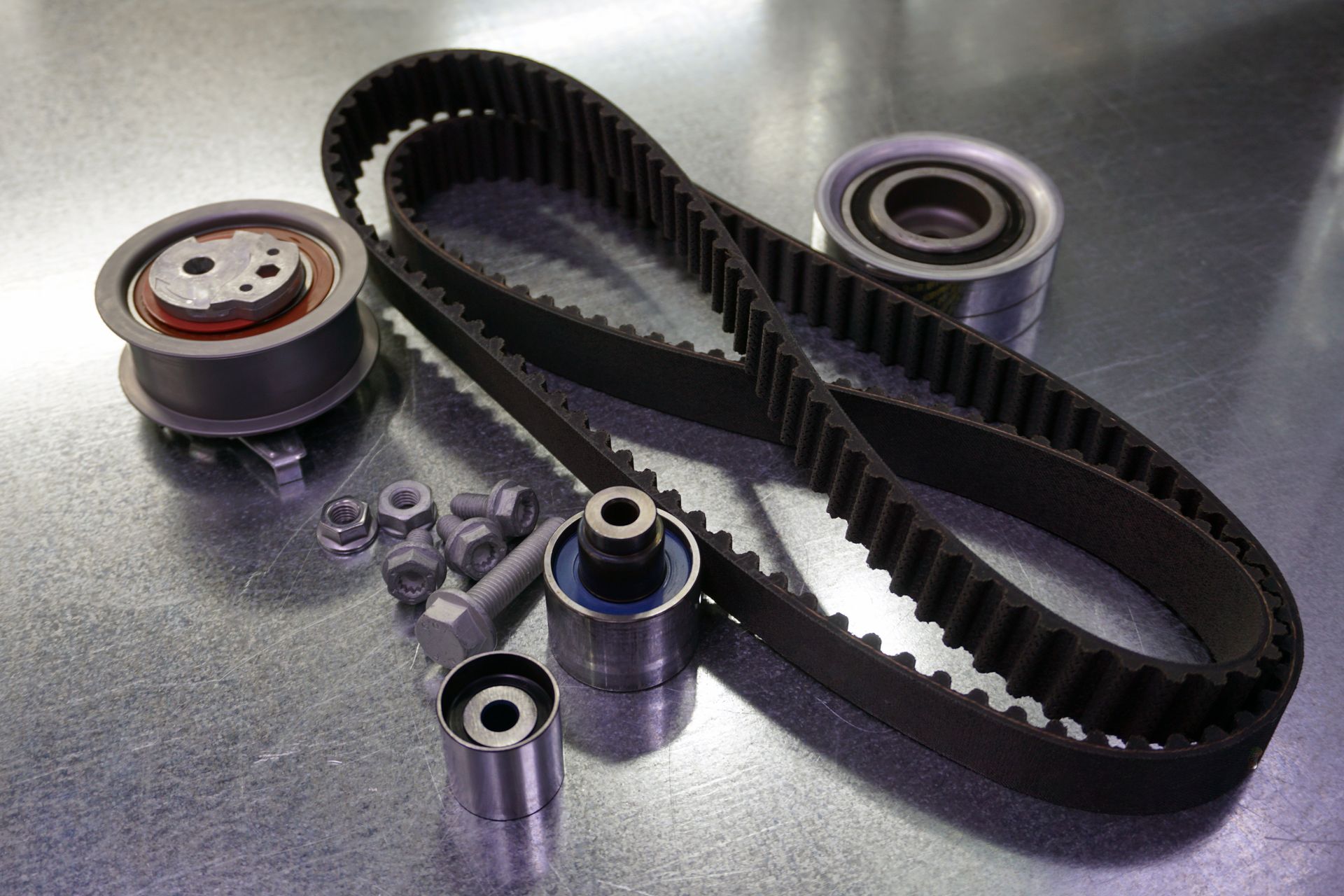
Rubber belts can get harder as temperatures drop. A serpentine belt that is glazed, cracked, or loose can start squealing on cool mornings even though it was quiet during summer.
We also listen for chirping, rattling, or other noises that appear only during the first few minutes after startup. Sometimes the belt is the problem. Other times the tensioner, pulley bearing, or another accessory is beginning to wear. Catching the source early is better than waiting for the belt to fail and leave the alternator or water pump without drive.
Do Not Ignore Small Changes in How the Car Starts or Runs
Cooler weather can make weak ignition parts, dirty throttle bodies, or marginal sensors more noticeable. An engine that cranks longer than normal, idles rough for the first minute, or hesitates until it warms up deserves attention if the pattern keeps repeating.
We look at the complete complaint instead of assuming the weather itself is the problem. A cooler morning can expose a weak component, but it is rarely the real cause. If the car behaved differently once temperatures dropped, that change gives us a useful clue about what needs testing.
Get Fall Vehicle Service In Marlborough, MA, With Professional Automotive
If cooler mornings are bringing slow starts, low tire pressure, poor defroster performance, or new noises, Professional Automotive in Marlborough, MA, can check the battery, tires, wipers, cooling system, belts, and other fall-sensitive components.