
Every four-stroke engine depends on precise coordination between the crankshaft and camshafts. The crankshaft moves the pistons, while the camshafts open and close the valves. A timing belt or timing chain keeps those parts synchronized so combustion occurs at the correct point in each cylinder.
Both systems perform the same core job, but their construction, service needs, and warning signs are different. Timing belts usually require scheduled replacement. Timing chains are designed for longer service, but they can still wear when oil changes are delayed or related components begin failing.
How A Timing Belt Works
A timing belt is a reinforced rubber belt with molded teeth that engage gears on the crankshaft and camshafts. It operates behind protective covers that keep out dirt and help shield it from road debris. Because the belt is hidden, it cannot usually be evaluated during a basic look under the hood.
Timing belts are quiet and lightweight, but heat, age, tension, and fluid contamination gradually weaken the rubber and internal reinforcing material. The teeth may crack, separate, or strip away. A belt can also fail when a tensioner, idler pulley, or water pump bearing seizes.
How A Timing Chain Is Different
A timing chain is made from metal links and operates inside the engine. It is lubricated by engine oil and runs along guides while one or more tensioners keep it tight. Many newer engines use timing chains because they can remain in service much longer than rubber belts under proper conditions.
Chains still wear. The links and sprockets can develop clearance, plastic guides can crack, and hydraulic tensioners can lose control of chain movement. Low oil, incorrect viscosity, sludge, or poor oil pressure can accelerate wear because the timing system depends on a steady supply of clean lubricant.
How To Find Out Which System Your Engine Uses
The vehicle’s make and model do not always provide the answer because manufacturers may use different engines within the same model line. One engine option may have a belt, while another uses a chain. Model year and engine size must be confirmed.
The owner’s manual, factory service information, or vehicle identification number can identify the exact engine and timing system. Service records may also show a previous timing belt replacement. A technician can verify the design without removing major components, although further inspection may be needed when warning signs are present.
When A Timing Belt Should Be Replaced
Timing belts follow a manufacturer-defined service interval based on mileage, time, or both. Depending on the engine, replacement may be required around 60,000 to 100,000 miles, though some intervals fall outside that range. The vehicle's exact schedule should always take priority over a general mileage estimate.
Time is important because the belt material continues aging even when the vehicle is driven infrequently. If the belt is overdue and no replacement record exists, waiting for a warning sound is risky. Many timing belts provide little notice before failure.
- Timing belt service commonly includes:
- Timing belt
- Tensioner
- Idler pulleys
- Water pump when belt-driven
- Front engine seals when leaking
- Accessory drive belt
- Fresh coolant when the water pump is replaced
Replacing connected parts during the same repair reduces the risk of a pulley or pump damaging the new belt and avoids repeating much of the labor later.
When A Timing Chain Needs Service
Timing chains usually do not have a fixed replacement interval. A properly lubricated chain can last well beyond 100,000 miles, but its service life depends heavily on engine design, oil quality, oil level, and maintenance history.
Chain service becomes necessary when testing confirms excessive wear, failed guides, weak tensioners, or incorrect camshaft timing. Replacing a chain solely because the vehicle reached a round mileage number is not the correct approach. Technicians review startup noise, oil pressure, fault information, live camshaft data, and mechanical timing before recommending internal engine work.
Warning Signs Of Timing System Trouble
A worn timing system can affect engine performance before complete failure. Timing chain concerns tend to produce more warning than timing belts, but neither system should be judged from sound alone.
- Rattling during startup
- Noise from the timing cover area
- Longer cranking before the engine starts
- Rough idling or repeated misfires
- Reduced acceleration
- Timing-related warning codes
- Metal or plastic debris in the oil
- Oil or coolant leaking near timing covers
These symptoms can also come from variable valve timing controls, sensors, ignition components, oil pressure problems, or other engine faults. Diagnostic testing should confirm the source before the timing system is disassembled.
What Happens If The Belt Or Chain Fails?
If a timing belt breaks or a chain jumps far enough, the camshafts and crankshaft lose synchronization. The engine may shut off immediately and will usually refuse to restart. On an interference engine, the pistons can strike valves that remain open.
That contact may bend valves, damage pistons, break guides, or harm the cylinder head. Repair can require major internal engine work or complete engine replacement. Even non-interference engines will stop running and need towing, though piston-to-valve damage is less likely.
How Oil Changes Protect A Timing Chain
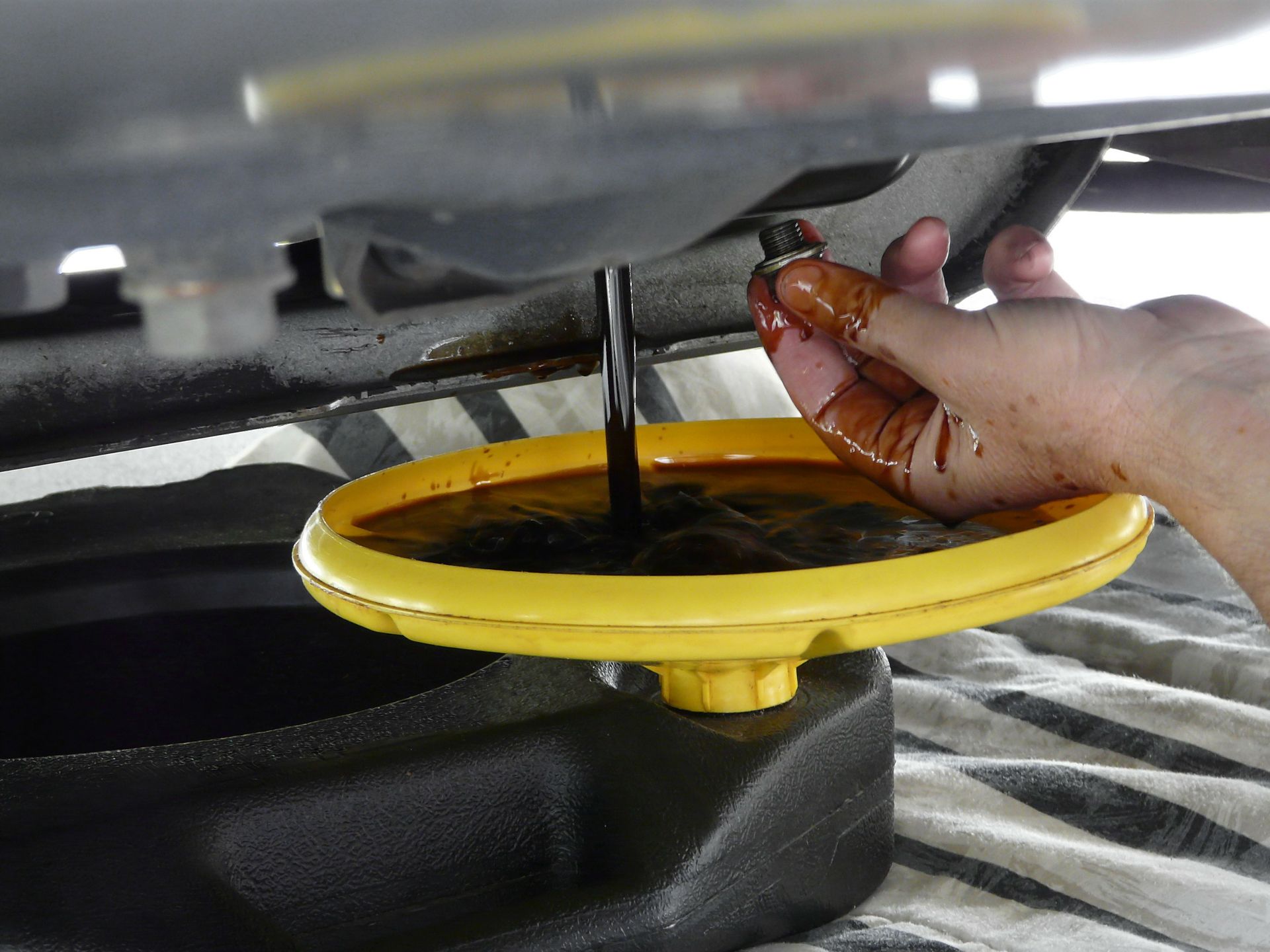
Clean engine oil is essential for chain guides, sprockets, tensioners, and variable valve timing components. Sludge can restrict the small passages supplying hydraulic tensioners, while low oil can delay pressure buildup during startup. Both conditions allow the chain to move more than intended.
Regular maintenance with the correct oil viscosity and manufacturer approval helps control wear. The oil level should also be checked between changes, especially on engines that consume oil. A timing chain designed for long service can still fail early when lubrication is neglected.
Get Timing Belt And Timing Chain Service In Marlborough, MA, With Professional Automotive
Professional Automotive in Marlborough, MA, can identify which timing system your engine uses, review the replacement schedule, and evaluate rattling, timing faults, difficult starting, or reduced performance.