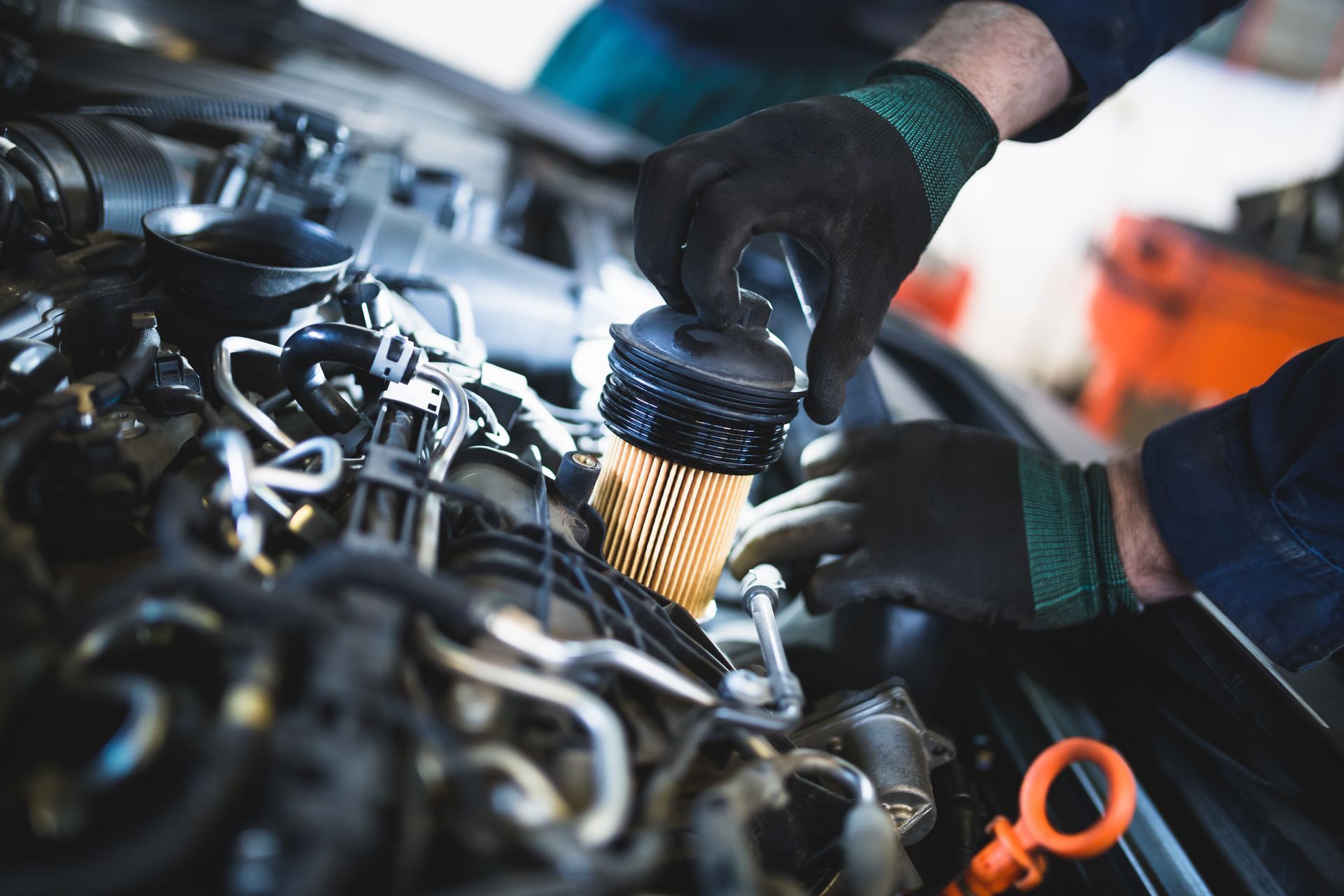

Do you own a Volvo and wonder how often you should inspect its fluids to ensure it stays in optimal condition? Volvo fluids refer to the various essential liquids that flow through your car’s intricate systems, ensuring its smooth operation and longevity. These fluids play a vital role in maintaining the engine , transmission , brakes , and other critical components. Hence, maintaining the right fluid levels and quality is essential for the health of your vehicle.
Engine Oil
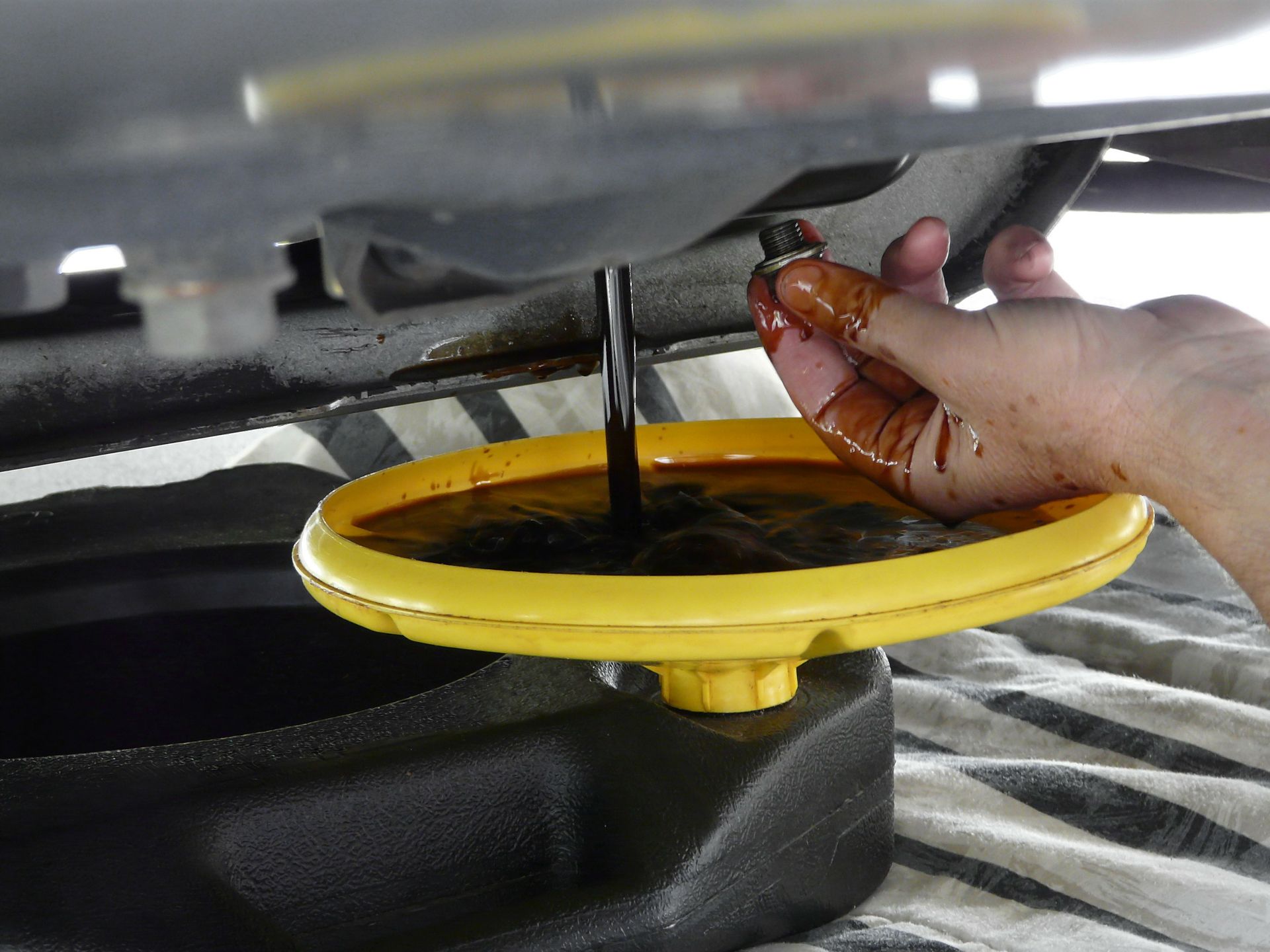
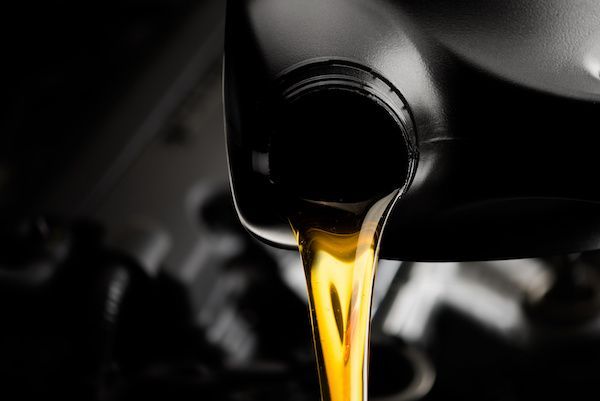
Engine oil has a vital role, which is to keep the engine running smoothly and efficiently. Your engine has many moving parts that generate heat and friction. Engine oil provides a protective layer that reduces friction, preventing wear and tear on these components. It also helps dissipate heat generated during engine operation. This cooling effect is essential to prevent
overheating , which can lead to
engine damage .
The frequency of oil replacement depends on factors like the type of oil you use and your driving habits. Generally, it is recommended to
change your engine oil every
5,000 to 7,000 miles or
6 months . However, to ensure your engine is always in tip-top shape, don’t forget to check the oil level between changes and top it up if it’s low. Also, take a moment to inspect the oil’s condition. If it appears
milky , it’s a sign of contamination, possibly from a coolant leak, which should be addressed promptly.
Transmission Fluid
Your Volvo’s transmission system is responsible for ensuring your vehicle changes gears seamlessly. Transmission fluid plays a pivotal role in making this happen. Just like engine oil, transmission fluid provides lubrication to minimize friction and heat generation within the transmission system. It also helps keep the transmission cool, ensuring optimal performance.
The frequency of inspecting and changing transmission fluid can vary based on your Volvo’s make and model, as well as your driving conditions. As a general guideline, it’s advisable to have your transmission fluid inspected every
30,000 to 60,000 miles . However, be attentive to any unusual signs, such as strange odors, color changes (from reddish to brown or black), or
shifting problems . If you encounter any of these issues, it’s crucial to have your transmission fluid checked sooner rather than later to prevent more extensive damage.
Brake Fluid
When you press the
brake pedal , brake fluid transfers that force to the brake components, allowing you to stop your vehicle safely.
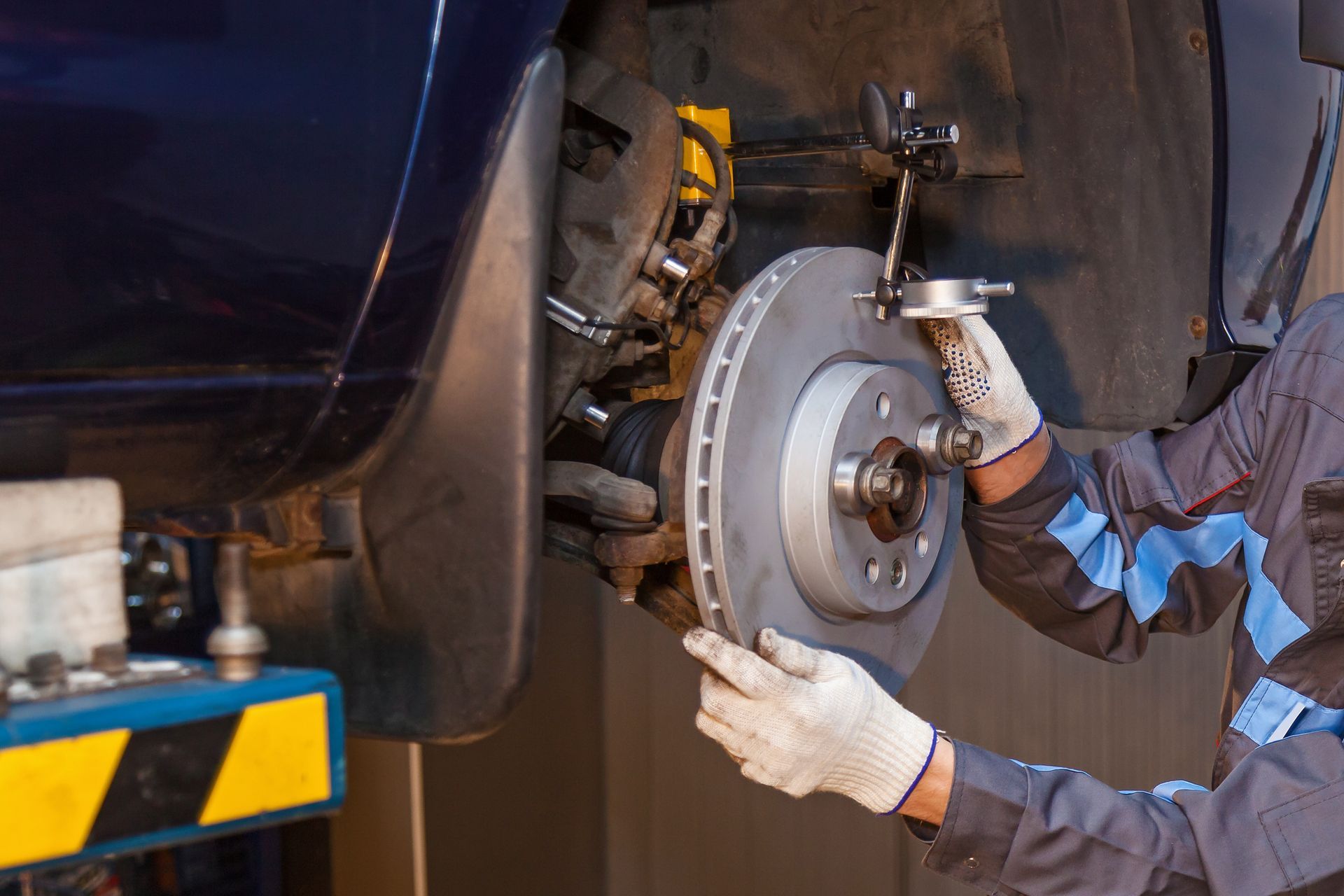
Brake fluid inspection is vital and should be conducted regularly. The recommended frequency for inspecting brake fluid is typically every
20,000 to 45,000 miles or every two years. However, don’t wait for your
scheduled maintenance interval if you notice a decrease in braking performance or hear unusual noises when applying the brakes. These could be signs of issues with your brake fluid, and getting it checked promptly is essential to ensure your safety on the road.
Power Steering Fluid
Power steering fluid provides the necessary
hydraulic pressure to assist you in turning the steering wheel effortlessly. Without it, steering could become a physically demanding task. To maintain control of your Volvo and prevent steering problems, it’s recommended to inspect the power steering fluid every 30,000 to 60,000 miles. However, it’s equally important to be vigilant for any warning signs like
difficulty in turning the steering wheel or unusual noises while turning.
Coolant
Coolant, often referred to as antifreeze, ensures that your engine doesn’t overheat in hot weather or freeze in the coldest conditions. Regular coolant inspections are a must to safeguard your engine’s health. As part of your
routine maintenance checks , take a moment to inspect the coolant level and its condition. Low coolant levels or coolant that appear dirty or contaminated should raise a red flag.
Let Us Help You Maintain Your Volvo Fluids for Peak Performance
At
Professional Automotive, we understand the significance of regular fluid inspections and are here to assist you in keeping your Volvo in top-notch condition. Located in
Marlborough, MA, our
team of experienced professionals is dedicated to providing comprehensive maintenance and repair services, ensuring that your fluid levels are always at the right level. Don’t wait until an issue arises; proactive maintenance can save you time and money in the long run.
Give us a call now.