
Volvo is known for its reliability and its safety features. However, one of the most common issues with
Volvo cars is
transfer case failure . You could say that it is a pretty common problem with many other brands, but one cannot deny that this brand can be the worst culprit.
The transfer case distributes the engine’s power to both axles, allowing both wheels on each side of the vehicle to rotate at different speeds. It also allows the vehicle to shift between two-wheel and four-wheel drive modes.
There are four main types of transfer cases:
- chain-driven (part-time)
- gear-driven (part-time)
- all-wheel drive (AWD) with the clutch system
- full-time 4WD
Causes of Transfer Case Failure
Let’s look at some of the reasons for transfer case failure in your Volvo:
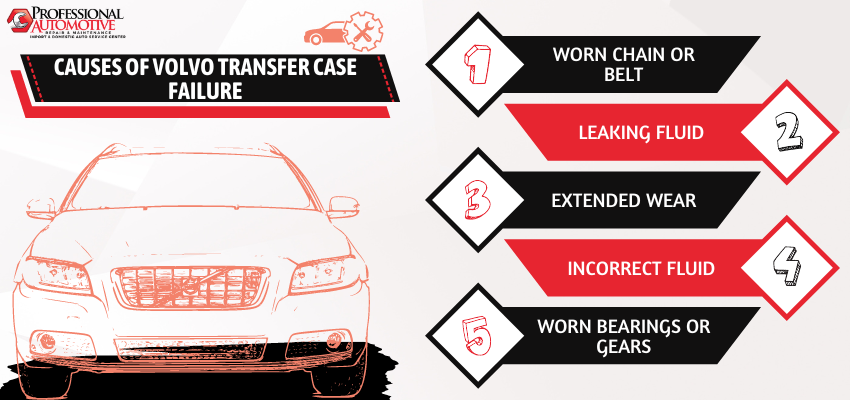
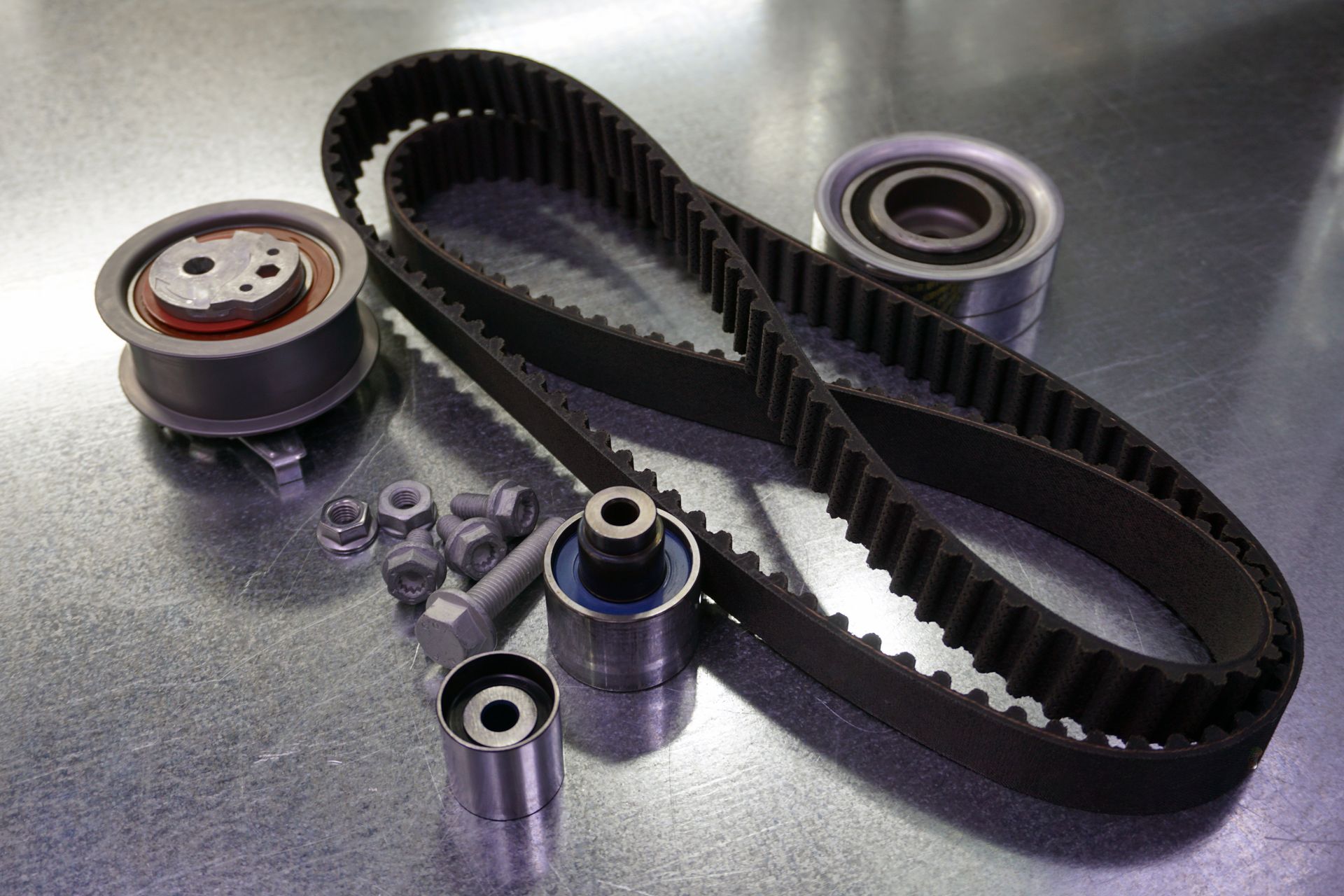
- Worn Chain or Belt: The transfer case has a chain or belt that needs to be replaced when it wears out. When this is ignored by owners, it leads to breakage and damage to the gears inside the transfer case. Also, when this chain breaks down, it damages other parts of the car, sometimes the engine . So, you need to make sure that your car gets regular maintenance check-ups and services to avoid such problems.
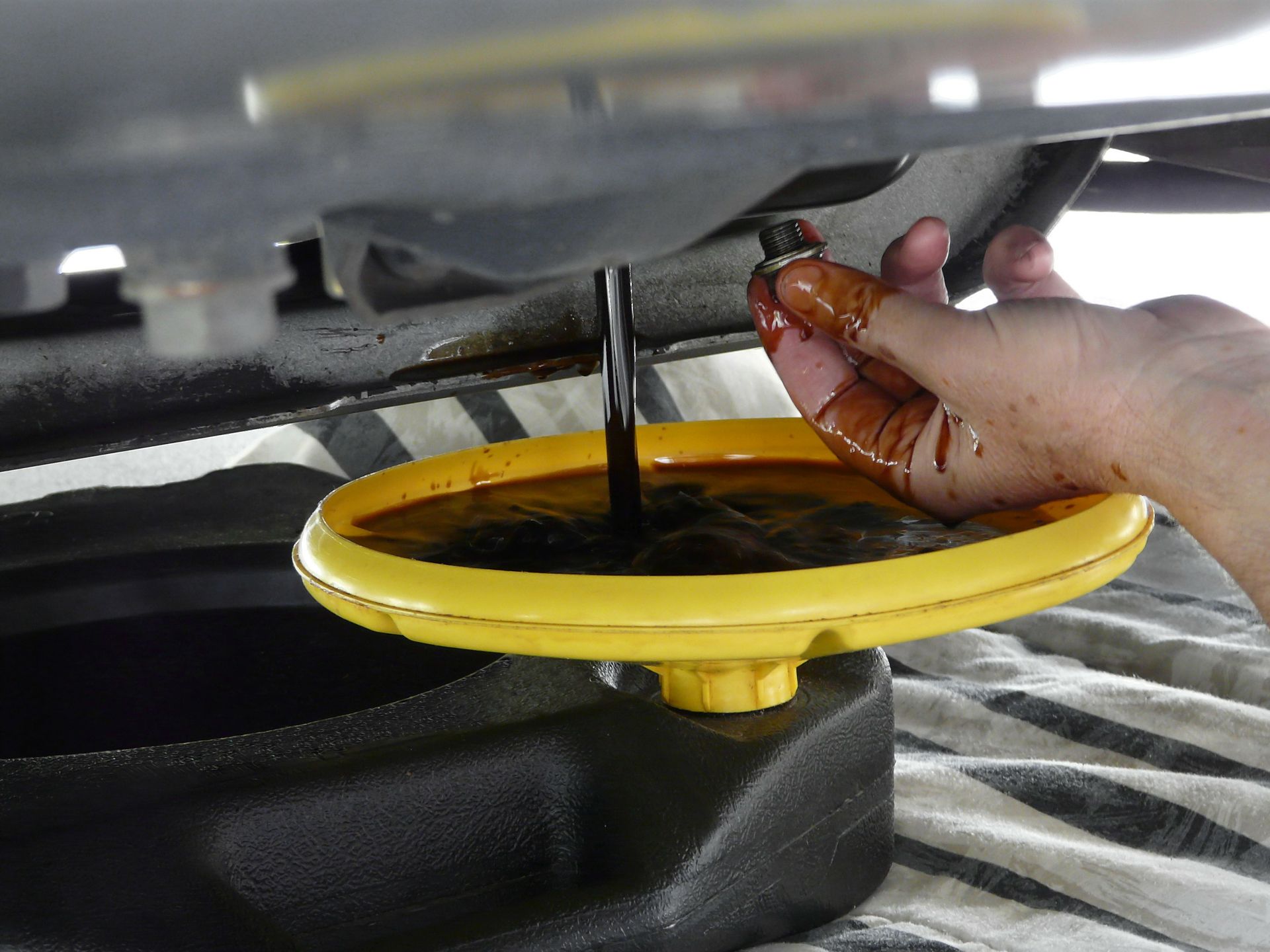
- Leaking Fluid: Another reason for transfer case failure in your Volvo is leaking fluid. If you notice any leakage of fluid from under your car, then it means that your transfer case has developed a leak and you need to get it checked immediately.
- Extended Wear: As mentioned above, your transfer case is constantly working, and it will eventually wear out. This can be due to several reasons, including lack of maintenance or overloading the vehicle’s drivetrain . It can also happen when you use four-wheel drive too often or in the wrong type of terrain.
- Incorrect Fluid: The transfer case is filled with a special oil that lubricates the components inside it. If this fluid leaks out or becomes contaminated, damage may result. You must use only the correct type of oil/fluid for your vehicle as specified by Volvo. It’s also important to check the level of this fluid regularly and top it up when necessary. This is an easy task you can perform yourself and will save you from expensive repair bills in the future.
- Worn Bearings or Gears: The bearings and gears inside your transfer case are used every time you drive your car, especially if you have an
all-wheel-drive After years of use, these parts will wear out and become damaged. This creates metal particles inside the transfer case that circulate in the oil, causing further damage to other components such as
shafts and
seals , leading to more oil leaks and eventually total failure of the unit.
Signs of Transfer Case Failure
It’s not hard to diagnose when your transfer case is beginning to fail or has already failed. You may notice that your car is harder to steer than usual. This is usually because one wheel has more power than the other causing it to spin more freely. You may also hear loud noises from underneath your vehicle when you turn, especially at high speeds.
Another sign that your transfer case is failing is a burning smell coming from underneath your vehicle. This smell occurs because of friction between the gears on either side of the transfer case due to them not being properly aligned.
Proper Repair of a Transfer Case Failure in a Volvo
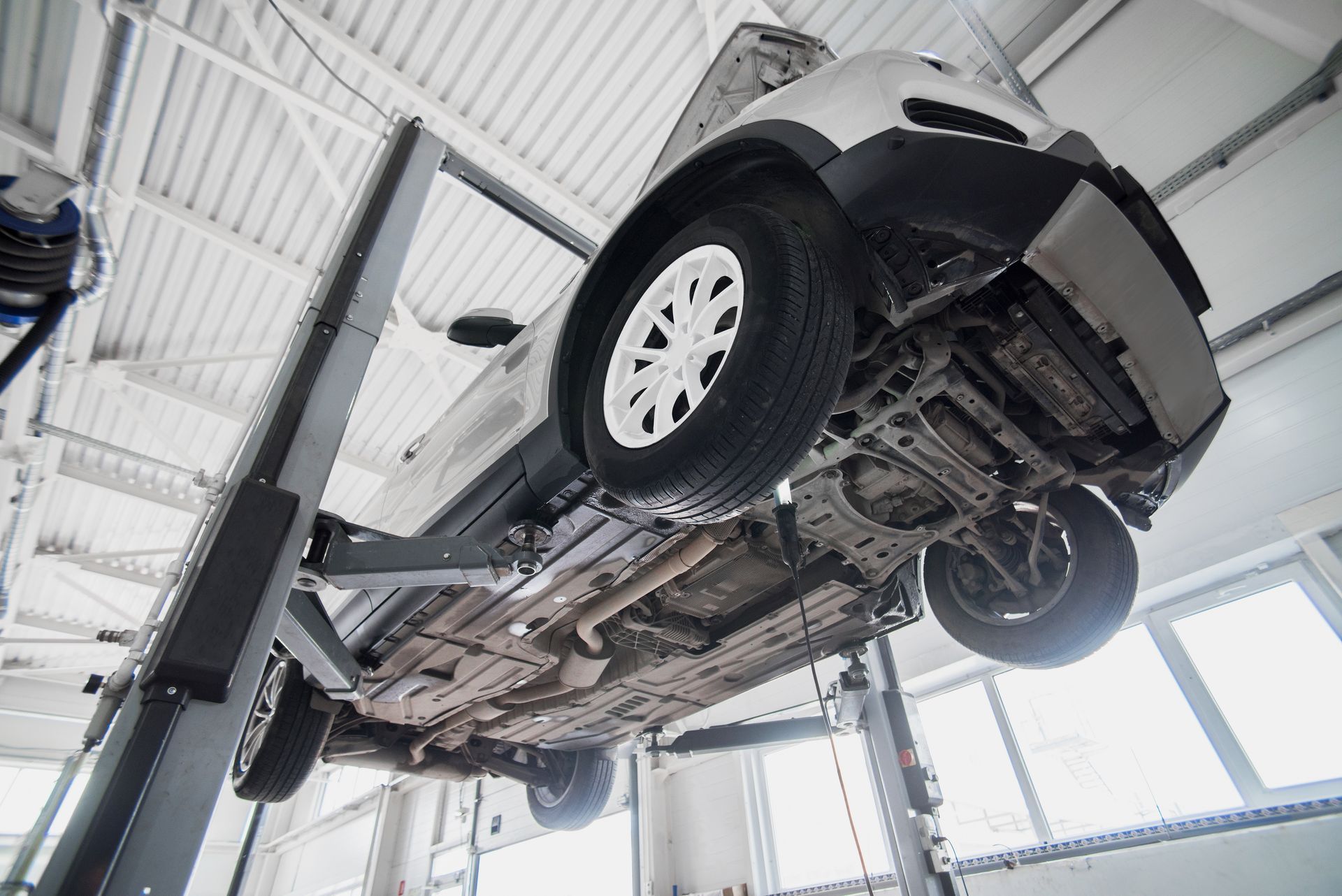
The most important thing to do is avoid driving your vehicle if the transfer case fails. Driving on a failed transfer case will cause damage to your drivetrain and may result in a total loss of control over your vehicle.
You should
contact an experienced mechanic as soon as possible if the transfer case fails. A
trained mechanic will be able to determine what caused the failure and how much damage has been done to the drivetrain of your vehicle.
For more than 22 years,
Professional Automotive has been providing the
best auto repair in the
Marlborough, MA area. We are professionals who are dedicated to customer satisfaction.
Whether you need a simple tire repair, a major service, or an extensive computer diagnostic test, our
skilled and highly trained auto service team is ready to serve you. Just
call us at
508-485-8633 or
stop by our shop today.