
The Anti-lock Braking System (ABS) in a Toyota serves to provide you with extra security and safety while driving. This system became the standard in braking safety beginning in the 1980s , and most cars are equipped with the ABS today.
Failure of the ABS can lead to increased difficulty while driving, making certain environmental conditions more dangerous to drive in. Diagnosing and resolving the problem early will prevent possible
collisions and ensure your safety once again.
In this article, we are going to tell you how you can diagnose ABS failure in your Toyota and address the issue quickly and efficiently.
Function of the ABS System in Toyota
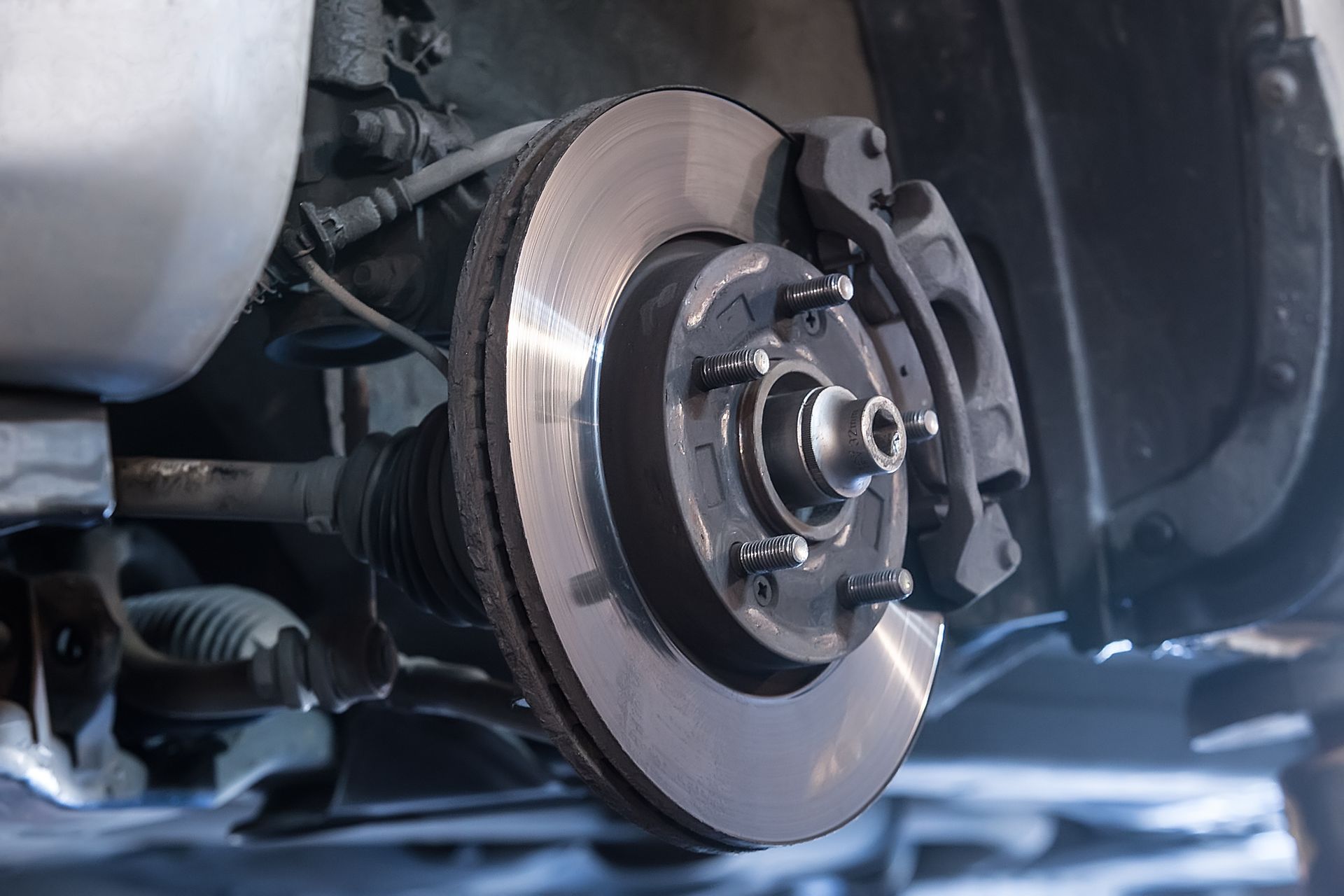
The anti-lock braking system in your Toyota serves to make hard braking safer and more effective than braking systems in the past. The ABS has sensors that sense when one or more of your tires stops rotating.
These sensors are sent to a computer in your car and this computer controls hydraulic valves , releasing small amounts of hydraulic fluid to your wheels . This pumps the brakes automatically and ensures that the wheels do not lock and cause your car to spin out of control and instead to keep a firm grip on the road in several otherwise dangerous driving conditions.
Diagnosing ABS Failure in Toyota: Warning Signs
A failing ABS will be apparent while you drive, as your braking capabilities will rely on your manual pumping of brakes to stop safely instead of the computer.
A failed ABS may cause your car to skid on water, snow, or ice. You will find that your
safe braking distance has increased . The process of braking completely becomes longer because you don’t have the added boost from the system to stop fast.
In addition to changes in braking, you will notice the
illumination of the ABS light in your Toyota vehicle. This is a strong indicator that some part of the system is malfunctioning and
needs to be repaired . These warning lights should never be ignored.
Reasons Behind ABS Failure
Your Toyota’s anti-lock braking system may fail at any time, regardless of mileage . There are several factors that may contribute to this failure, though, that you can be aware of.
Parts of the ABS will wear down over time with regular use. This is inevitable, as environmental conditions and repeated use will corrode these parts or break them. This is true of most auto parts. When this happens, they need to be replaced.
Certain essential parts of the system, including hydraulic valves, sensors, and pumps may become damaged in a collision or due to other malfunctioning or broken parts. They can be casualties in a domino effect of failures. This is why it’s important to have your car inspected and serviced at regular intervals, especially if your Toyota has experienced a cluster of problems.
Driving Safely with Failed ABS
It is still technically safe to drive if your ABS has failed. However, this required a good deal of adjustments on your part. You do not have the safety net that you’re used to. In inclement weather , you will have to learn to manually pump your brakes if your wheels lock up.
It may be better for you to avoid driving in dangerous conditions altogether if you are not confident that you can stop your car safely in time to avoid a collision. The same can be said if you cannot easily adjust to increasing your following distance from other cars.
Diagnosis and Repair of the ABS in Toyota: A Job for the Professionals
Most drivers have come to rely on their anti-lock braking system. It prevents most collisions due to environmental factors and sudden stops in traffic. Cars fitted with properly functioning ABS are less likely to be involved in fatal crashes .
If your Toyota is experiencing ABS failure, you lose the security and peace that comes with a car designed to perform with your safety in mind. This stress and anxiety alone can make you more likely to get into a car accident.
At
Professional Automotive , our goal is to preserve your safety and security on the road, and that includes resolving all ABS issues that your vehicle may be experiencing. Drivers in
Marlborough, MA and the surrounding areas can trust the professionals with all of their automotive needs. Call us to make an appointment with our experts today.