
Subaru vehicles have a good reputation that precedes them in the world of automobiles. Being one of the most reliable car brands, they put so much effort into designing and engineering their car parts to tick off the safety and efficiency box. Unfortunately, a consistent problem with
Subaru cars is
head gasket leakage.
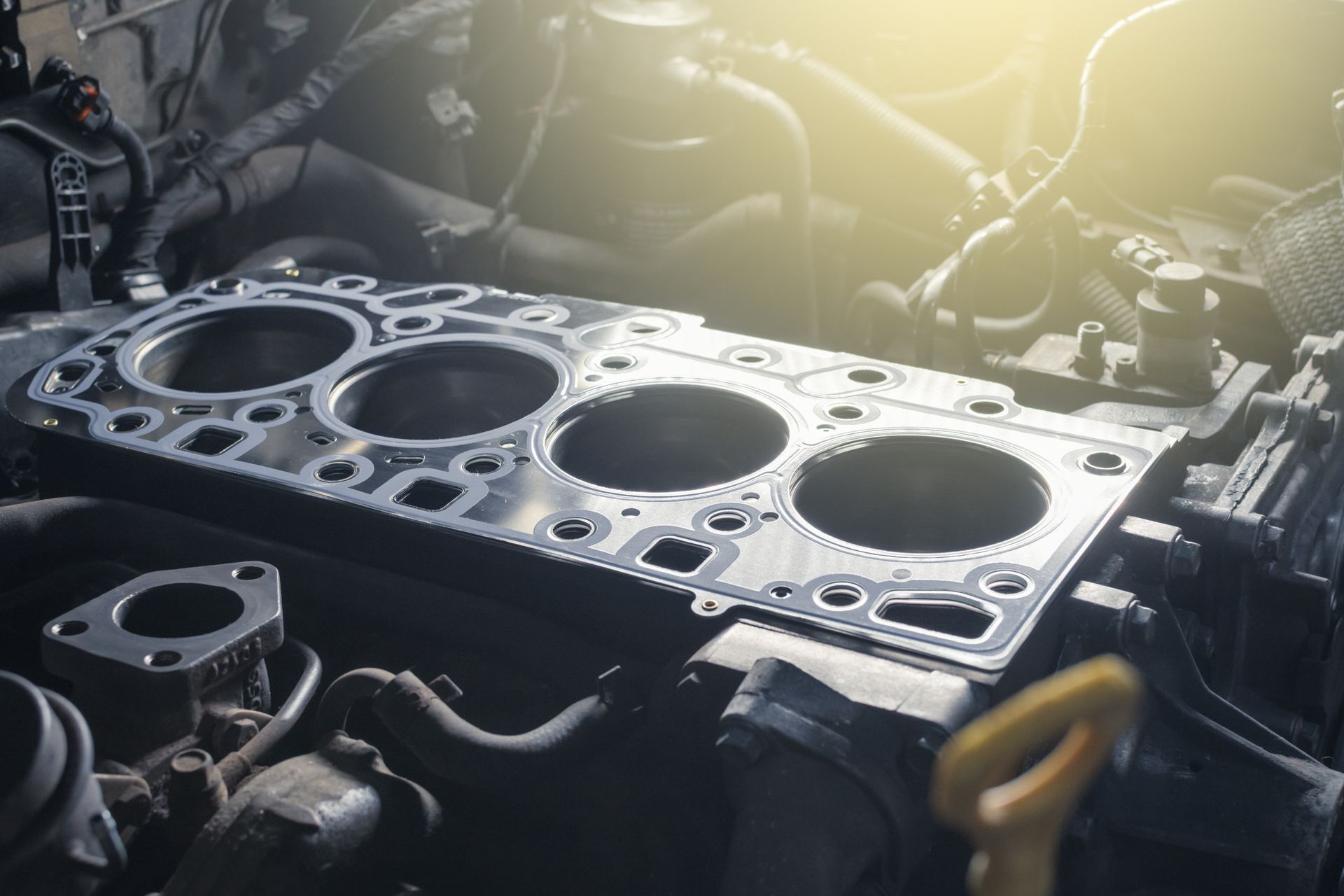
The Subaru head gasket is the sealing layer between the car’s cylinder head and engine block . Apart from acting as a sealing agent, it also ensures the coolants are kept where they should be and allows the controlled passage of oil into the engine, so they mix with coolants.
When the graphite coating around the head gasket peels off, the coolants and oil start leaking out and eventually make the gasket useless. So, what causes the graphite coating to peel off and start leaking out?
Quick List of Causes of Head Gasket Leaks in Your Subaru
Similar to other components of the car, Subaru’s head gasket leaks can be attributed to several external and internal factors. Some of the common factors are:
- Irregular engine temperature : Because the head gasket is in close proximity to the engine block, excessive temperature can cause it to warp or degrade, leading to leaks.
- Poor engine maintenance : The importance of regular engine checks and maintenance cannot be overemphasised. Neglecting the regular checks, especially coolant checks and oil checks can contribute immensely to gasket leaks.
- Faulty Torque : If the cylinder head and engine block are not properly torqued to the head gasket according to the manufacturer’s specifications , it can lead to improper sealing and leaks thereafter.
- Bad installations : The head gasket is designed to last long on the Subaru engine, but when it is faulty, it is expedient to change it. During the process of installing a new one, an error in the procedure or using a gasket that is not manufacturer-approved can lead to leaks.
- Contamination : The head gasket facilitates the separate movement of coolants and oil to the engine area. Contaminants in the coolants and oil, like rust and debris, will erode the head gasket over time.
- Excessive engine pressure : Putting too much work on the car engine increases its pressure and indirectly increases the pressure on the head gasket. Also, high pressure from forced induction systems like turbochargers and internal engine issues will stress the engine and eventually lead to multiple leaks.
- Ageing and wearing : This is the most natural cause of head gasket leaks. Over time, the head gasket will deteriorate due to constant stress and high temperature it goes through, thereby leading to leakages.
Common Signs of a Bad Head Gasket
A leaky head gasket will send the driver conspicuous signs at an early stage for quick repair or replacement.
- Engine overheating : This is the first sign of a leaking head gasket. A failed head gasket means the engine has to work more to start ignition and provide power. Also, coolants leaking off causes the engine cooling system to underperform, leading to serious overheating.
- Blue/white exhaust smoke : It is normal for white exhaust smoke to come out of the car’s tailpipe when started, but when it continues after the engine has been working for a while, you might need to get your head gasket checked for fault. Blue/white smoke means that coolants are leaking into the cylinders and are being converted into steam as your engine is running.
- Engine knock : A leaking head gasket will make the engine block lose compression, leading to rough Idling while driving and even total engine knock.
- Milky engine oil : When
coolants leak into your Subaru engine oil, the mixture loses its ability to lubricate well. This mixture is seen as a thick, frothy milk substance under the engine oil’s filter.
Professional Automotive: The Best Stop For Your Auto Care
To keep your Subaru car running efficiently, you need an auto shop that pays keen attention to the car’s needs and uses factory-approved equipment with manufacturer-approved car parts for repairs.
At
Professional Automotive , we know that each car has its distinct requirement, which is why our
ASE-certified technicians are dedicated to giving your car what it exactly needs. We understand that car problems are unexpected and the drivers are usually in a hurry to get them functioning. So, we work towards getting your car back on the road as soon as possible. If you are in
Marlborough, MA , and the surrounding neighborhoods,
call or
visit us to schedule an appointment for your car.