
There is no Mini more iconic than the Mini Cooper . These are renowned world-wide for striking the perfect balance of design, performance, and fuel efficiency. Drivers of Minis can be confident in their purchase, knowing that their new Coopers will take them anywhere they desire over the next decade. However, just because Minis are excellent vehicles does not mean that they are not prone to some of the same mechanical failures as other cars on the road. Their transmission is no exception.
Mini Coopers are more likely to experience transmission issues under circumstances such as being used
off-road , natural age after
10 years, and being pushed to the upper ranges of their mileage. Mini Cooper manufacturers also describe
“lifetime” transmission fluid , but
trusted mechanics will advise having your transmission fluid flushed up to as often as once yearly.
Your Transmission System
A car’s transmission is a complicated system built of dozens of moving parts, which produce a lot of friction over time, and therefore a lot of wear and tear. The primary components of a Mini’s automatic transmission include:
- Hydraulics : The fluid-carrying network of tubes that run to the components of the transmission requiring pressure to be applied, such as at the clutches and bands .
- Planetary gear sets : The gears in the transmission, set in a system of interconnecting rings; unlike in a manual, the planetary gear sets of an automatic don’t move.
- Control system : The computer responsible for directing electrical currents.
- Torque converter : The system that allows a vehicle to stop while in gear.
Common Signs of Transmission Failure
Difficulty Shifting Gears
If your gears do not engage properly, or jar or shudder violently as your vehicle shifts gears, this indicates a
problem with your transmission’s hydraulics system.
Overheated Engine
A failed transmission puts added stress on almost every other part of the engine. This can quickly lead to an overheating if the issue is not caught and taken care of quickly.
Leaking Fluid
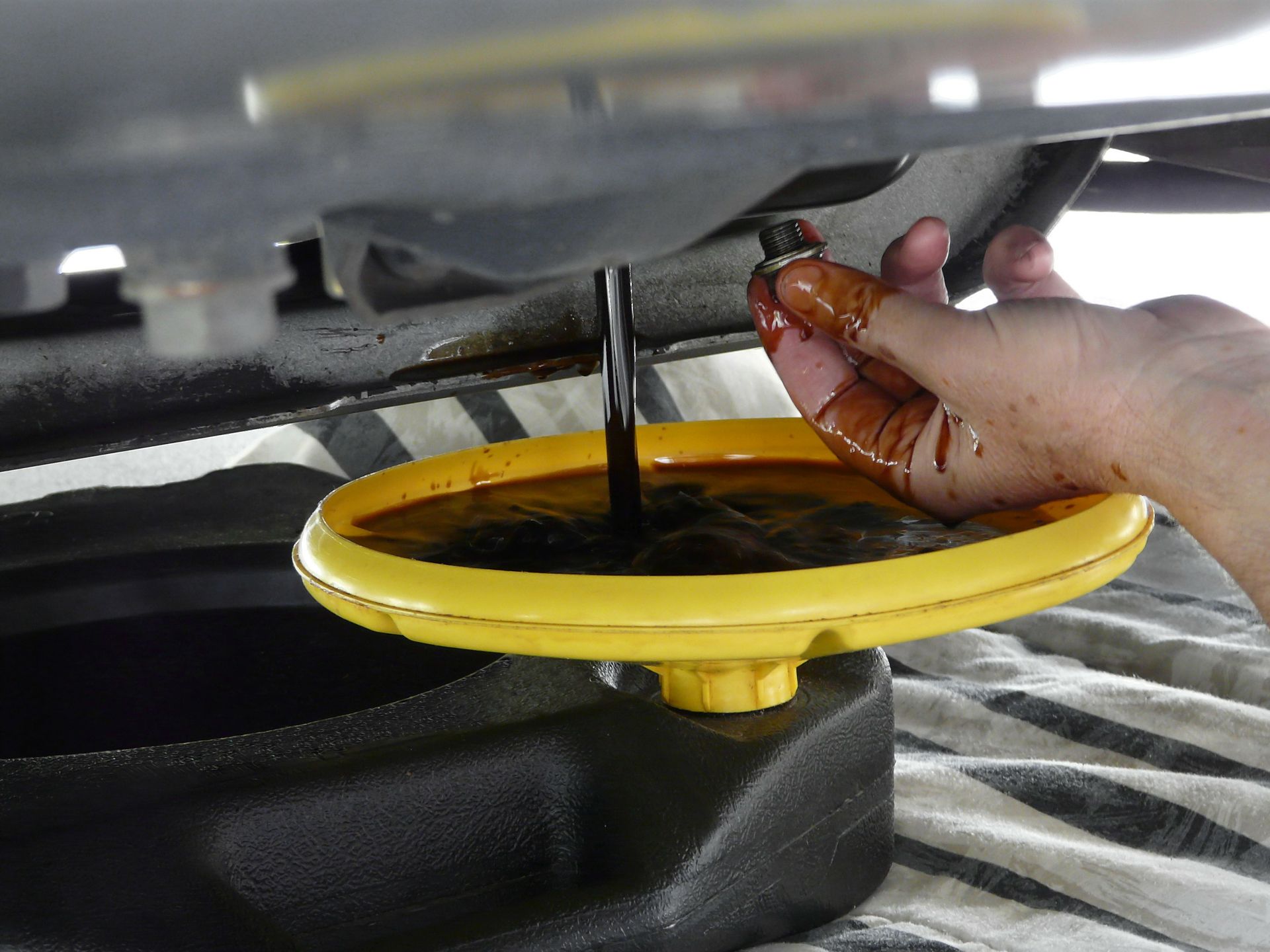
Leaking transmission fluid is never a good sign, especially if the fluid is a dark red or brown color, rather than the alarmingly-bright red of brand new transmission fluid. If you notice a
red or reddish-colored puddle of fluid beneath your Mini Cooper after being parked, this is a sign there is a leak somewhere in your transmission’s hydraulics system. This should be checked out immediately, as your vehicle likely is no longer safe to drive.
Burning Smell
If you notice a burning smell, this could be a sign that your transmission fluid is overheating, which means the transmission and the engine around is running too hot.
Noises in Neutral
If your hear suspicious noises while your vehicle is in neutral, such as banging, tapping, clunking, or whining, this is a likely sign of transmission problems and your Mini may be low on fluid.
Gear Slippage
If your Mini slips into neutral or a lower gear as you accelerate, this needs immediate care with a trusted Mini technician. Gear slippage is a hazard for everyone on the road and should be checked out immediately, as this is a recipe for a collision.
Causes of Transmission Failure
Mini Coopers are more likely to be damaged when driven roughly or over rough roads. These actions can cause extra damage to the transmission over time. If your transmission fluid runs low or completely out, your Mini will be unable to properly switch gears and apply pressure. If your transmission grows thick due to debris or heat or is not flushed enough, this will cause added stress on your transmission, which will ultimately cause it to fail.
Professional Automotive Can Help
If you suspect your Mini Cooper is experiencing any signs of transmission failure, it’s important that you bring your vehicle in to a mechanic for a diagnosis immediately. The engine damage caused by running low on transmission fluid can cause catastrophic damage and an expensive rebuild. However, Professional Automotive is here to help you before that becomes a reality.